
In a season filled with big vocals and high-impact performances, Hannah Harper chose a different path—one that didn’t rely on spectacle, but on sincerity.
Her rendition of “Daddy’s Hands” became more than just another performance on American Idol. It felt like a pause in the noise—a return to something quieter, older, and deeply rooted in what country music was built on.
Stripping It All Back: Why Simplicity Won
Modern performances often lean heavily on production—layered instrumentation, polished vocals, and carefully constructed moments designed to impress. Harper’s approach did the opposite.
There were no distractions competing for attention. No dramatic staging. No attempt to modernize the sound.
Instead, the focus narrowed to three essential elements:
-
The story within the lyrics
-
The connection between the performers
-
The emotion carried in every note
That simplicity didn’t make the performance smaller. It made it more exposed—and ultimately, more powerful.
A Family Harmony That Can’t Be Manufactured
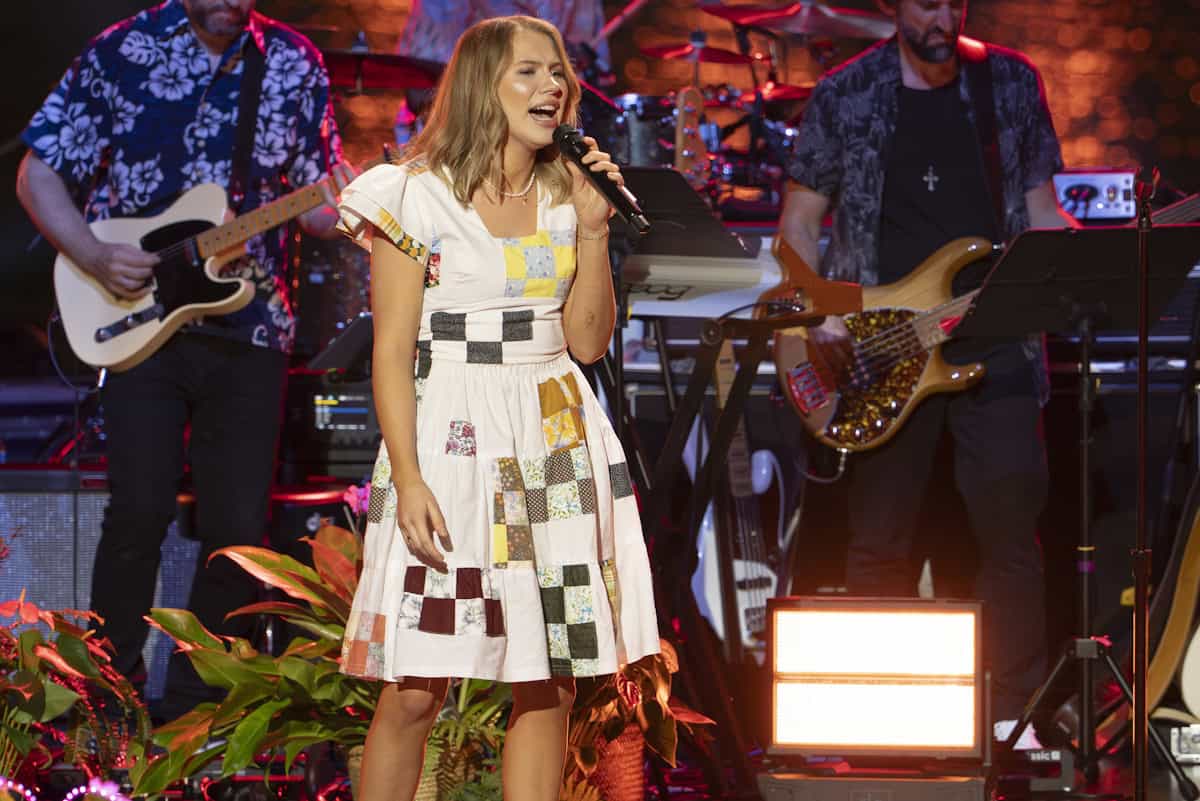
Sharing the stage with her brother, Dalton Harper, Harper introduced something that no amount of rehearsal can replicate: lived-in chemistry.
Their harmonies weren’t perfectly polished—and that’s exactly why they worked. They felt natural, like voices that had been singing together long before the stage lights ever turned on.
With the support of The Chapmans, the performance took on the feeling of a front-porch session rather than a televised competition. It blurred the line between performance and memory.
Why “Daddy’s Hands” Still Resonates
The song itself carries weight. “Daddy’s Hands” is built on themes that sit at the heart of traditional country music—family, respect, sacrifice, and quiet love.
Harper didn’t try to reinterpret those themes. She honored them.
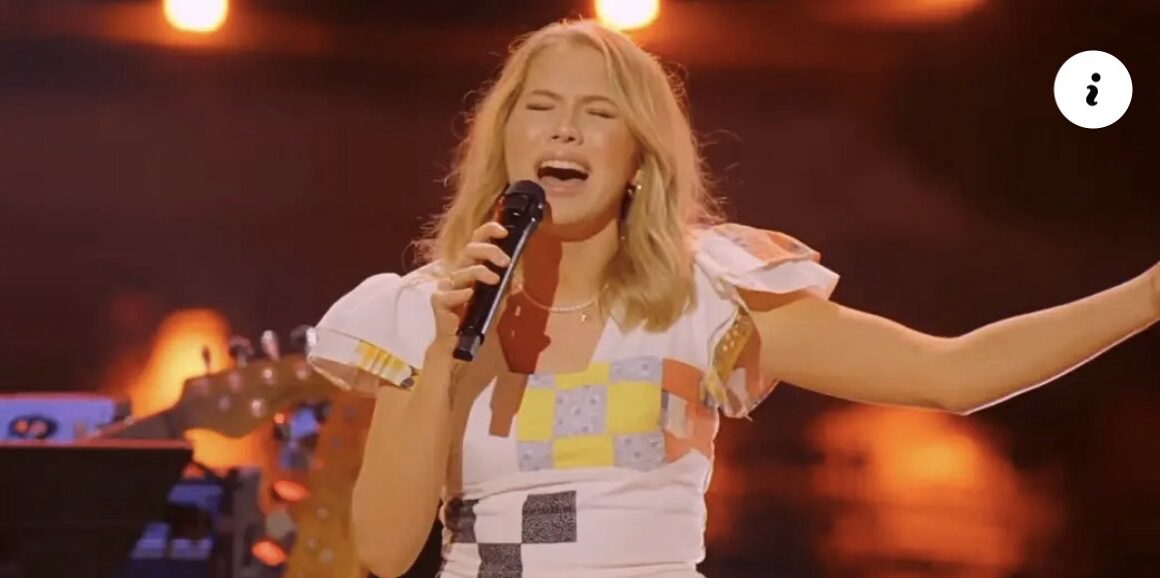
Her delivery was restrained, allowing the lyrics to speak without embellishment. That restraint made each line land harder, giving listeners space to attach their own memories to the words.
The Emotional Shift: From Performance to Experience
What made this moment stand out wasn’t vocal complexity—it was emotional clarity.
Harper wasn’t performing at the audience. She was sharing something with them.
That subtle shift changes everything:
-
Listeners stop analyzing and start feeling
-
The performance becomes personal, not just impressive
-
The song transforms into a shared experience
It’s the difference between hearing a story and remembering your own.
A Quiet Rebellion Against Modern Country Trends
In today’s country landscape, production often takes center stage. Beats are bigger, sounds are cleaner, and songs are designed for wide appeal.
Harper’s performance felt like a quiet counterpoint to that trend.
It reminded viewers that:
-
Country music doesn’t need to be loud to be powerful
-
Authenticity can outweigh perfection
-
The genre’s roots still resonate when given space
This wasn’t nostalgia for nostalgia’s sake—it was proof that the foundation still holds.
Why Fans Connected So Deeply
The response online wasn’t just positive—it was personal.
Viewers didn’t just praise the performance; they shared what it meant to them:
-
Memories of parents and family traditions
-
Childhood moments tied to similar songs
-
A longing for music that feels honest and unfiltered
That kind of reaction doesn’t come from technical brilliance alone. It comes from recognition—from seeing something real in a space that often feels curated.
The Bigger Meaning Behind the Moment
This performance did more than stand out—it redefined what success can look like on a stage like American Idol.
It proved that:
-
Not every defining moment needs to be big
-
Not every impact comes from vocal power
-
Sometimes, the most unforgettable performances are the most human
When Less Becomes More
In the end, Harper didn’t try to outshine anyone. She didn’t chase a viral moment or a standing ovation.
She told a story. With her family. In the simplest way possible.
And somehow, that simplicity carried further than any elaborate production could.
Because when music is honest enough, it doesn’t need to be amplified.
It just needs to be felt.