For nearly three decades, Angie Martinez has held onto a Tupac Shakur interview that she believed could have made one of hip-hop’s darkest periods even more dangerous. Now, the legendary radio personality is revealing why she refused to release the entire conversation in 1996, admitting that she feared the consequences could extend far beyond music.
The interview, recorded shortly before Tupac’s death, is finally set to reach audiences through Netflix’s upcoming four-part documentary series, “The Tupac Tapes with Angie Martinez”, scheduled for release on November 27. But the circumstances surrounding the recording are arguably just as fascinating as the interview itself.
Speaking during a recent appearance on “Aspire with Emma Grede”, Martinez explained that releasing everything Tupac had told her could have intensified the already volatile atmosphere surrounding the East Coast–West Coast rivalry. At the time, she was convinced that broadcasting the complete interview would have serious real-world consequences.
“If I’d come back to New York and shared that full conversation, there would have been more violence. Absolutely,” Martinez said.
Perhaps the most remarkable detail is how much of the original conversation remained unheard. The interview lasted more than two hours, but approximately 12 minutes were initially broadcast. For decades, the public knew only a fraction of what Tupac had shared with Martinez during their meeting in Los Angeles.
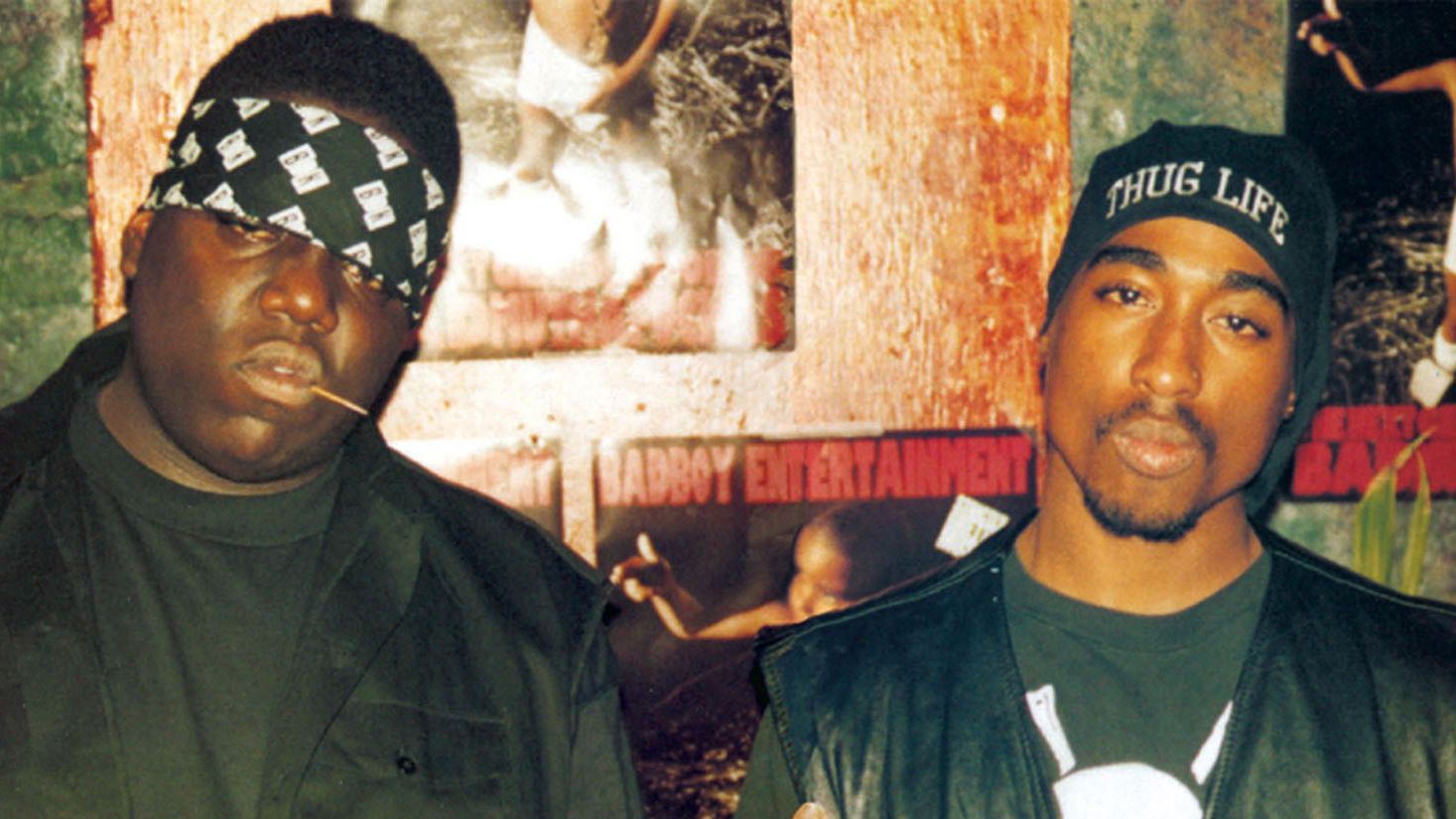
To understand why Martinez made that decision, it is important to remember what hip-hop looked like in 1996. Tupac was enjoying extraordinary commercial success following the release of “All Eyez on Me”, while his public disagreements with The Notorious B.I.G. and Bad Boy Records had become central subjects of entertainment reporting.
Records such as “Hit ‘Em Up” demonstrated just how personal the rivalry had become. What might ordinarily have been dismissed as competitive rap had developed into something considerably more serious. The distinction between artistic confrontation and real-life hostility was becoming increasingly difficult to maintain.
For Martinez, broadcasting Tupac’s comments was therefore not simply a question of securing an exclusive interview. She had to consider whether giving certain statements a wider audience would make an already dangerous situation worse. It was an extraordinary responsibility for a young radio personality who was still establishing herself within the industry.
Interestingly, the interview itself emerged from an entirely different opportunity. Tupac had initially approached Martinez about appearing in the music video for “I Ain’t Mad at Cha”. Although she declined, their subsequent conversation opened the door to a more substantial discussion about his relationship with New York and the tensions surrounding him.
That background challenges one of the most enduring narratives surrounding Tupac’s final year. Although he became closely associated with West Coast hip-hop, Tupac was born in New York and had significant personal and artistic connections to the East Coast. Reducing his disagreements to a straightforward geographical rivalry overlooks the complicated relationships that shaped his career.
Martinez understood the importance of allowing Tupac to explain that distinction. She broadcast selected portions of their conversation that communicated his position without including statements she considered particularly inflammatory. Her decision effectively placed responsibility above the enormous professional opportunity that an exclusive, controversial interview could have provided.
After Tupac’s death in September 1996, the recordings took on an entirely different significance. What had originally been a conversation between a rapper and a radio presenter became a historical document capturing one of the most influential artists in hip-hop during the final months of his life.
The death of The Notorious B.I.G. the following year made the period even more painful to revisit. Both artists left behind extraordinary musical legacies, but their deaths also forced the industry to confront the human consequences of an era frequently remembered through diss tracks, rivalries and sensational headlines.
Martinez has also cautioned against treating the unreleased interview as a definitive representation of Tupac’s personality.
“I don’t think these tapes represent who he was as a whole. I think it represents who he was in that very specific moment in time,” she explained.
That distinction is particularly important when discussing an artist whose catalogue contains such contrasting perspectives. The same rapper responsible for confrontational records such as “Hit ‘Em Up” also created deeply reflective songs including “Dear Mama”, “Keep Ya Head Up” and “Brenda’s Got a Baby”.
Tupac’s ability to express vulnerability, anger, compassion and frustration was central to his artistic identity. Judging his entire character through a single conversation, particularly one recorded during an exceptionally turbulent period, would risk overlooking much of what made his music so compelling.
Netflix’s decision to present the recordings across four episodes could provide the necessary space to explore those complexities. Rather than simply releasing the archival material, the project will incorporate discussions with established figures from across hip-hop culture.
Among those participating are Wu-Tang Clan’s RZA, Joe Budden, Charlamagne Tha God, Big Boy, Dream Hampton, Lil’ Cease, Monie Love and Wallo. Their different backgrounds could help audiences understand the interview from artistic, historical and media perspectives.
For younger hip-hop fans, the series could also offer an interesting perspective on how dramatically the relationship between artists and the media has changed. In 1996, radio personalities exercised considerable editorial control over what reached the public. Today, artists can broadcast their thoughts directly to millions of followers within seconds.
That technological shift raises an uncomfortable question about whether an interview like Tupac’s could remain private for three decades in today’s entertainment landscape. With viral clips, reaction channels and social media platforms competing for attention, controversial statements can travel around the world before their wider implications have been properly considered.
Martinez’s decision represents an approach to journalism that feels particularly relevant in that environment. Having access to an extraordinary story does not necessarily mean that publishing every detail immediately is the responsible thing to do.
At the same time, the historical importance of the recordings makes their eventual release understandable. Tupac remains one of the most extensively discussed figures in music history, and previously unheard material offers another opportunity to examine his life beyond the familiar narratives that have surrounded him for decades.
Until the series premieres, however, audiences should avoid drawing conclusions about the unreleased material based solely on Martinez’s description. The recordings deserve to be heard in context, and any controversial statements should be examined rather than automatically accepted as established facts.
Thirty years after Tupac’s death, Angie Martinez is finally ready to share the conversation she once believed was too dangerous to broadcast. Her decision raises a fascinating debate about journalistic responsibility, artistic expression and the consequences of giving controversial statements a public platform. Did Martinez make the right decision by protecting the interview for three decades, or should hip-hop history have been allowed to hear Tupac’s complete account much sooner?