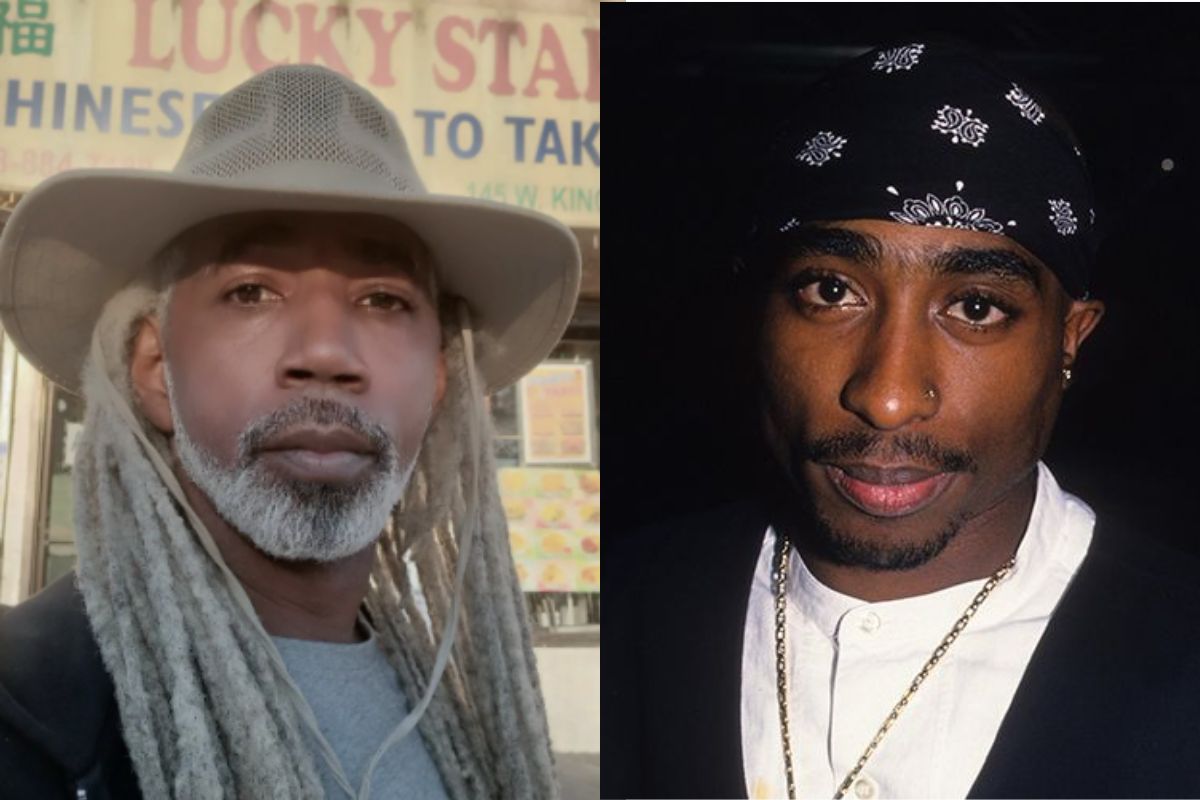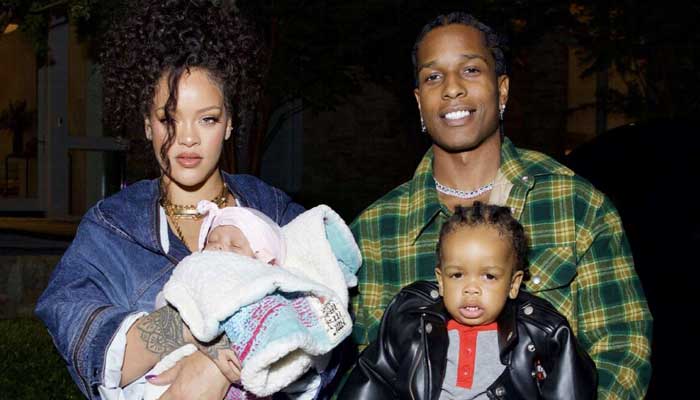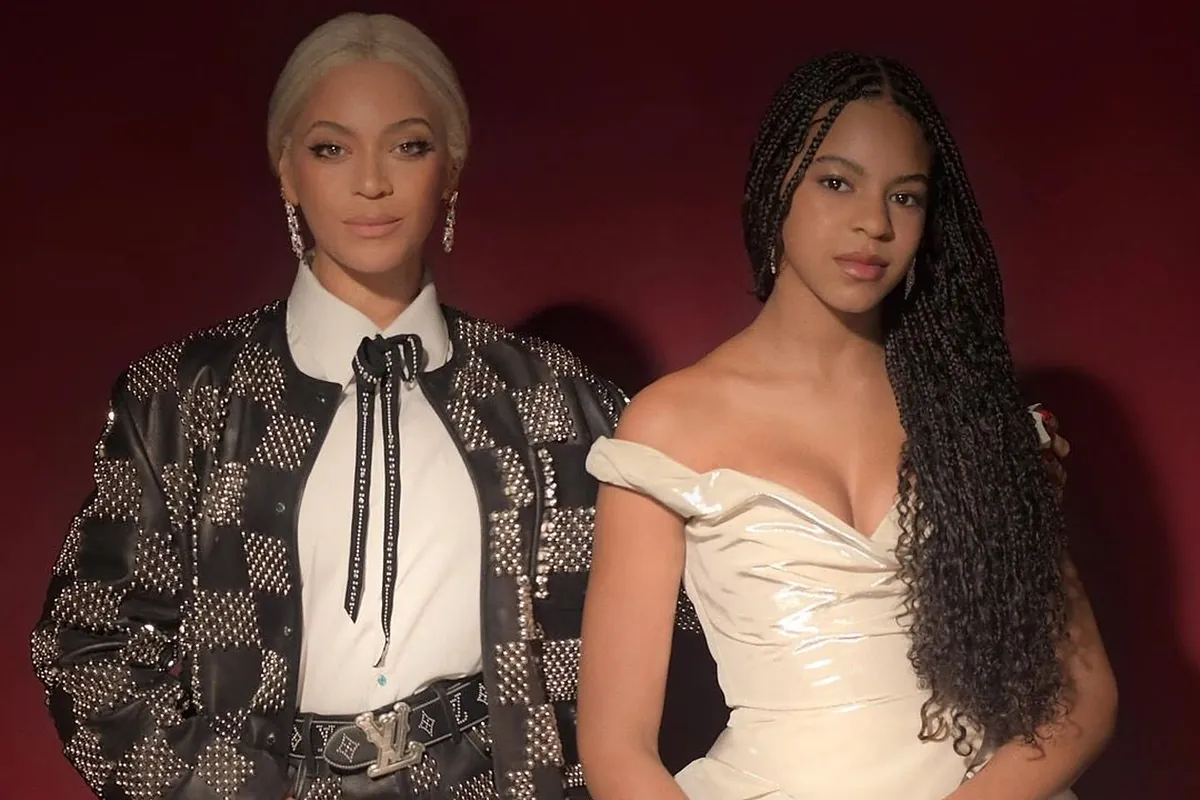
In the age of algorithm-driven narratives, even the most private moments of public figures can be reshaped into sprawling theories. Few examples illustrate this better than the recurring speculation surrounding Beyoncé, Jay-Z, and their daughter Blue Ivy Carter.
What began as fringe commentary has evolved into a persistent digital myth—one that resurfaces every few years with new “evidence,” new interpreters, and renewed intensity. But beneath the headlines and viral posts lies a more revealing story: how modern celebrity, misinformation, and audience psychology collide.

How Rumors Become “Narratives”
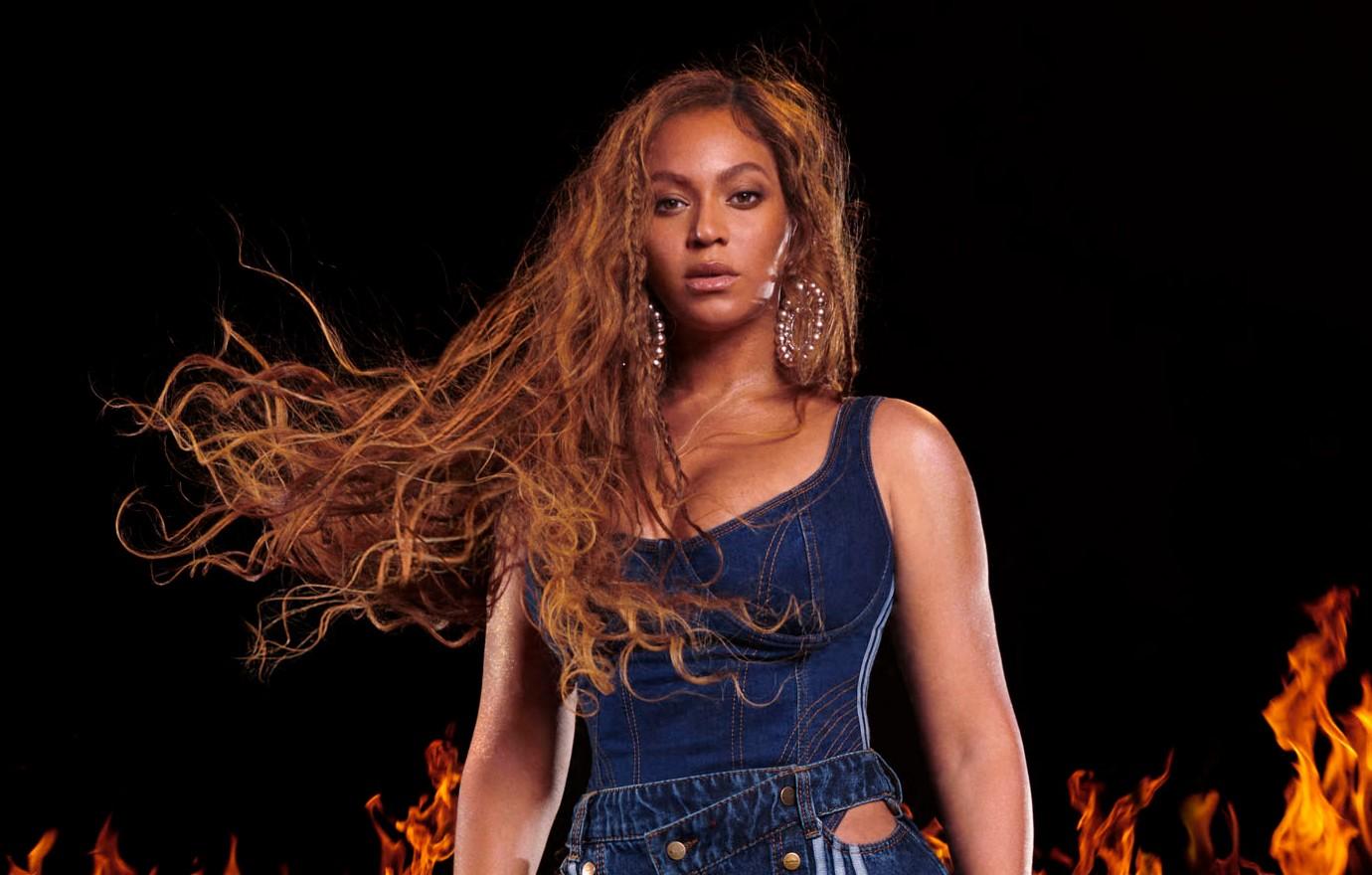
Every enduring rumor has an origin point. In this case, early speculation gained traction during Beyoncé’s 2011 pregnancy—a moment already under intense global scrutiny. Media personalities like Wendy Williams amplified questions that might otherwise have faded quickly.
From there, the internet did what it does best: archive, remix, and reinterpret. A single televised moment—Beyoncé adjusting her posture during an interview—was dissected frame by frame. What might have been an ordinary visual distortion became, for some, “proof” of something hidden.
This is the first rule of viral speculation: ambiguity fuels imagination.
The Role of Tragedy in Conspiracy Culture
At the center of more recent claims is the late Kathy White, whose untimely death has been pulled into the narrative without verified connection to the Carter family.
Online communities often link unrelated events to construct emotionally compelling stories. A tragic death, when placed alongside celebrity timelines, can be reframed as something more sinister—despite a lack of credible evidence.
This pattern isn’t unique to this case. It reflects a broader tendency in digital culture: the blending of fact, coincidence, and fiction into something that feels meaningful, even if it isn’t true.
Celebrity Privacy vs. Public Curiosity
When Blue Ivy was born in 2012, reports surfaced that the family secured heightened privacy at the hospital. To some observers, this level of control seemed excessive. To others, it was entirely expected.
Here’s the reality: high-profile figures often take extraordinary measures to protect personal milestones. Privacy, in these cases, isn’t just about comfort—it’s about safety, media control, and maintaining boundaries in a world that rarely respects them.
What conspiracy theories interpret as secrecy is often simply security.
Lyrics, Art, and Over-Interpretation
Art invites interpretation—but in the digital era, interpretation can quickly become projection.
Songs from Beyoncé’s later work, including emotionally layered tracks about motherhood and legacy, have been scrutinized for hidden meanings. Listeners sometimes treat lyrics as coded confessions rather than creative expression.
This reflects another modern phenomenon: the collapse of boundaries between artist and audience. Fans no longer just consume art—they investigate it, decode it, and sometimes assign meanings that extend far beyond the artist’s intent.
The Human Cost of Public Speculation
Lost in the noise is a crucial perspective: the impact on the people involved.
Blue Ivy, once an infant at the center of speculation, is now growing up in an environment where narratives about her identity circulate freely online. For any family—celebrity or not—this kind of scrutiny can be deeply invasive.
As for Beyoncé, her public image has long balanced control and vulnerability. Moments of visible emotion, often cited in rumor cycles, are more likely reflections of that pressure than confirmations of any hidden truth.
Why These Stories Persist
If there’s no credible evidence, why do these theories keep returning?
Because they satisfy three powerful forces:
-
Curiosity about powerful figures
-
Desire for hidden truths
-
Entertainment disguised as investigation
Figures like Jason Lee help reignite discussions by reframing old claims for new audiences. Social media platforms then amplify the most provocative angles, rewarding speculation over verification.
In this ecosystem, stories don’t need to be true—they need to be compelling.
A More Grounded Perspective
Strip away the dramatics, and what remains is far less mysterious:
-
A globally famous couple managed a high-profile pregnancy under intense scrutiny
-
Media personalities and online communities speculated beyond available facts
-
Those speculations evolved into elaborate narratives over time
There is no verified evidence supporting claims of hidden parentage or orchestrated deception. What exists instead is a case study in how modern storytelling works—fast, emotional, and often untethered from reality.
Final Thought: The Story Behind the Story
The enduring fascination with Beyoncé and her family says less about them and more about us—how we process fame, how we interpret ambiguity, and how easily speculation can become belief.
In the end, the “mystery” isn’t about Blue Ivy’s origins. It’s about the digital age’s ability to turn ordinary moments into extraordinary myths—and how difficult it can be to separate narrative from truth once the story takes hold.