Cardi B has found herself at the center of a heated cultural debate after comments about LGBTQ themes in children’s cartoons sparked widespread reaction online. What began as a personal opinion quickly grew into a larger conversation about representation, media, and what audiences expect from content aimed at young viewers.
A Statement That Sparked Debate
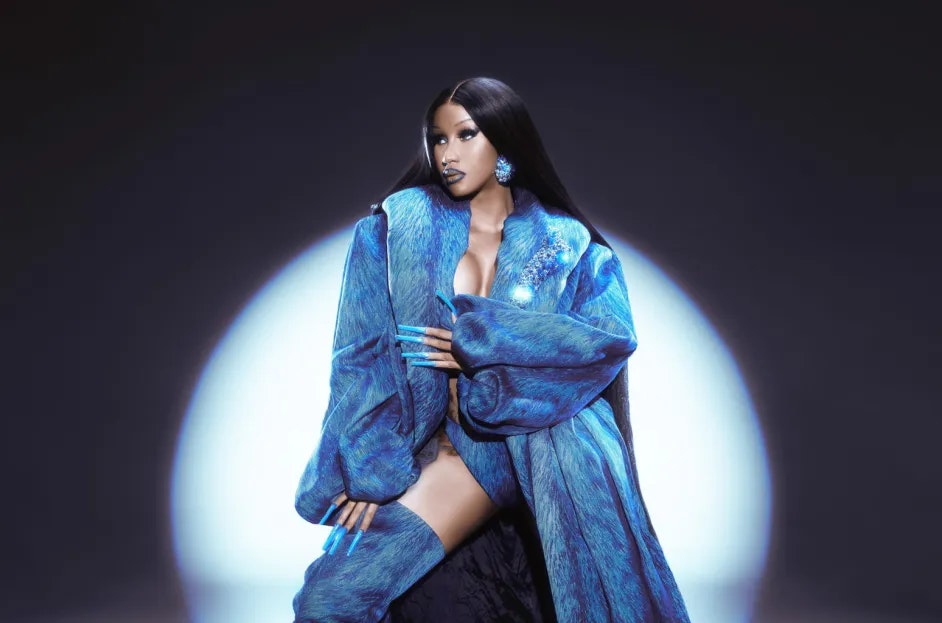
In her remarks, Cardi B suggested that children’s programming should focus on entertainment and avoid topics she believes are better suited for older audiences. Her comments spread rapidly across social media, drawing immediate attention and strong reactions from both supporters and critics.
The discussion quickly moved beyond her statement, touching on broader questions about the role of media in shaping young minds.
Divided Public Response
Reactions have been sharply split. Some supporters agree with Cardi’s perspective, arguing that content for children should remain simple and neutral. They believe that avoiding certain topics allows programming to stay focused on entertainment.
Others strongly disagree. Critics argue that representation in media helps foster empathy, understanding, and inclusivity from an early age. For them, including diverse identities in children’s content reflects real-world experiences in an accessible way.
Advocacy and Criticism
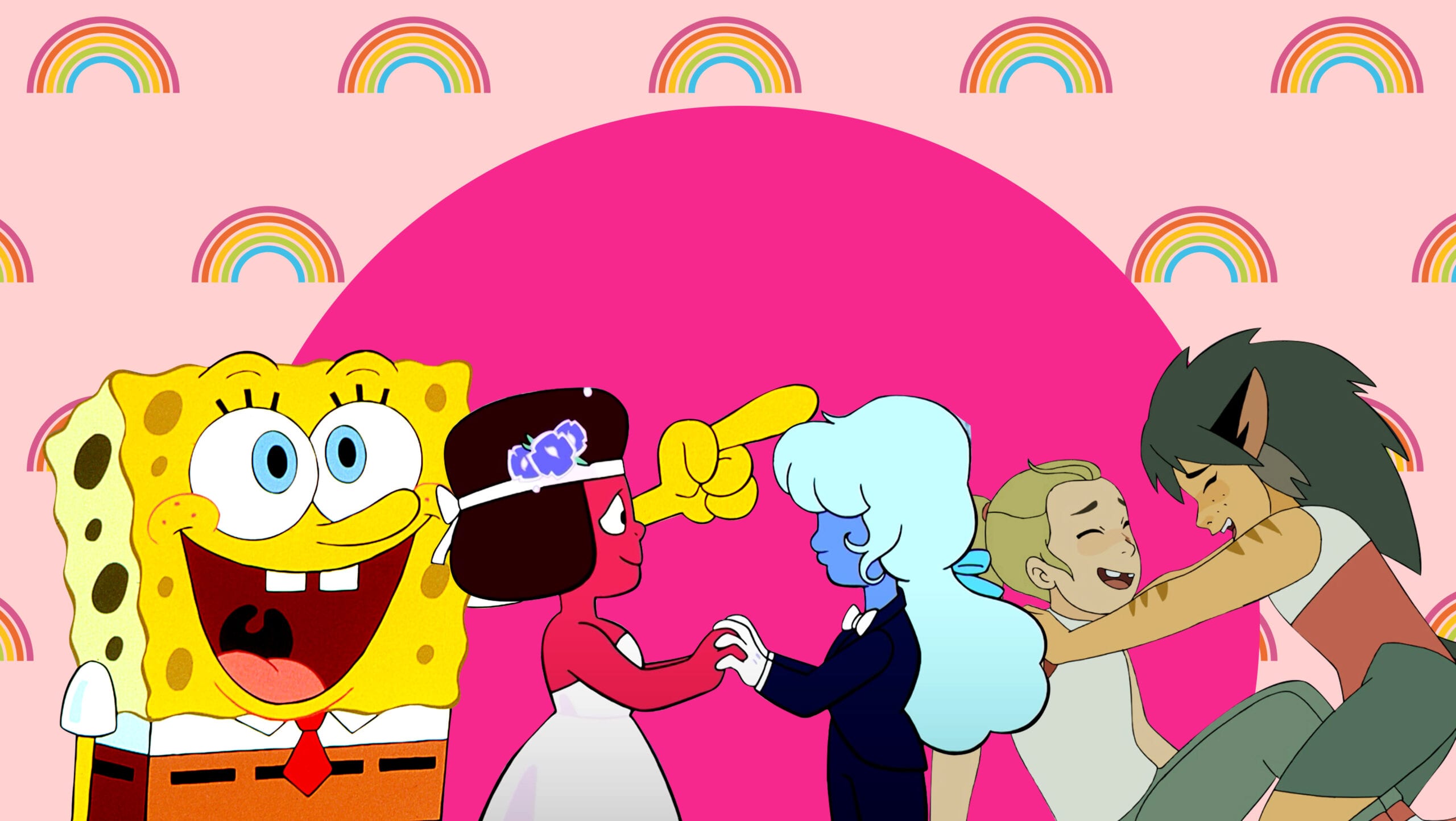
Advocacy groups and many fans have voiced disappointment, suggesting that excluding LGBTQ themes could contribute to stigma or marginalization. They emphasize that representation does not necessarily mean introducing complex ideas, but rather acknowledging diversity in a respectful and age-appropriate manner.
At the same time, some social media users have defended Cardi B’s right to express her views, even if those views are controversial.
Industry Context
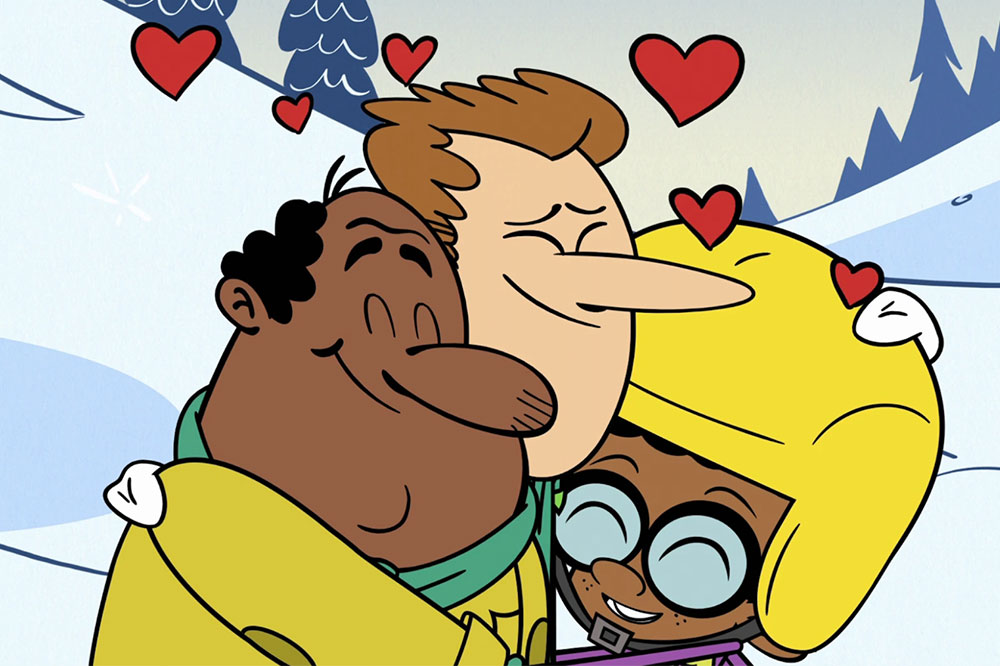
The debate also reflects ongoing changes within the entertainment industry. In recent years, children’s cartoons have increasingly included diverse characters and family structures. Supporters of this shift argue that it helps children feel seen while encouraging understanding of differences.
However, not all audiences respond to these changes in the same way, leading to differing expectations about what children’s programming should include.
A Broader Cultural Conversation
At its core, the situation highlights a larger tension between creative expression and audience preferences. Some parents prefer content that avoids social topics altogether, while others welcome more inclusive storytelling.
This divide makes it difficult for creators to strike a balance that satisfies everyone.
What Comes Next
As of now, Cardi B has not issued any additional statement addressing the backlash. It remains unclear whether the controversy will have any impact on her ongoing work.
What is clear is that the conversation is far from over. The response to her comments reflects an evolving discussion about representation, values, and the role of entertainment—one that continues to shape how media is created and received.