What should have been a joyful celebration of Cardi B’s youngest son’s first birthday quickly turned into an uncomfortable reminder of how even celebrity children can become targets of online cruelty. After sharing photographs from Grey Marsean Diggs’ birthday festivities, the Grammy-winning rapper found herself responding to social media users who had begun mocking the toddler’s appearance.
But beyond Cardi B’s angry response, the incident raises a much bigger question: why are children who have no control over their parents’ fame becoming subjects of public criticism?
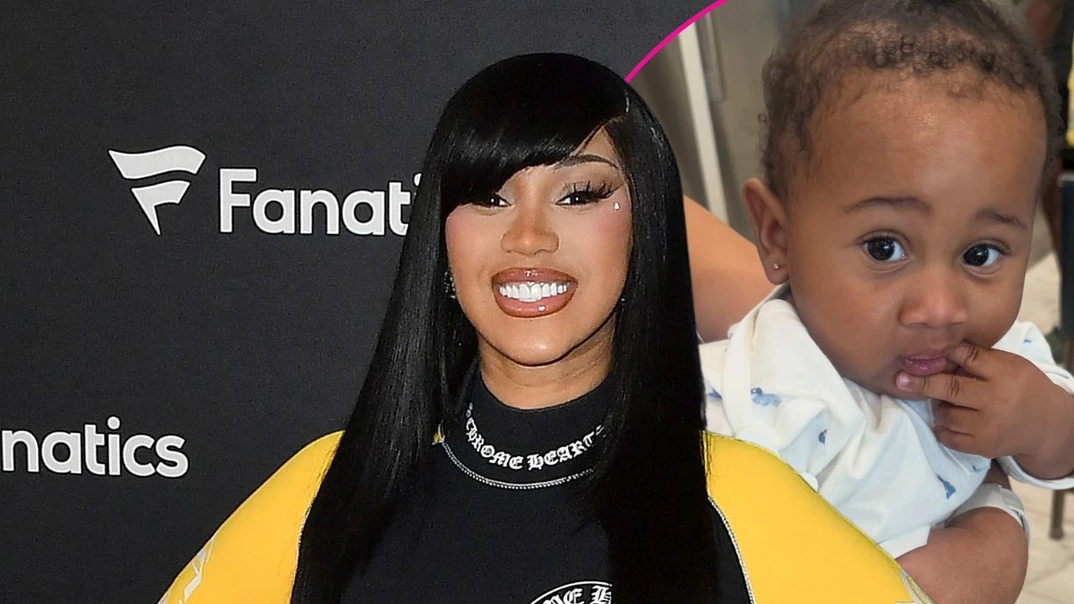
The controversy began after Cardi shared photographs from Grey’s birthday celebrations on November 16, 2026. The little boy, whom she shares with Washington Commanders wide receiver Stefon Diggs, had just turned one, and his mother marked the occasion with an affectionate social media post.
The pictures showed Grey wearing several carefully coordinated designer outfits, including a Chanel beanie accessorised with a jewelled chain. Another look featured a Chanel fur trapper hat, brown patterned fleece and matching trousers.
For Cardi, the photographs appeared to represent a happy family milestone. Her caption described a week of birthday celebrations and affectionately referred to her son as her “fat man”, making it clear that the occasion had been an exciting one for the family.
The birthday post, however, soon attracted attention for reasons unrelated to the celebration itself.
Several social media users began reposting photographs of Grey alongside insulting remarks about his appearance. Rather than discussing the birthday decorations, outfits or festivities, the comments targeted a child who had only just celebrated his first birthday.
One particularly troubling response attempted to connect the criticism of Grey to Cardi’s previous public disagreements, suggesting that the insults were somehow justified by the rapper’s past behaviour.
That argument introduced a disturbing element into the conversation. Instead of treating a one-year-old child as someone entirely separate from adult celebrity disputes, the commenter appeared to frame criticism of the toddler as a form of retaliation against his mother.
Cardi was not prepared to ignore the remarks.
According to OK! Magazine, the rapper responded through a series of posts on X, directly confronting people who had criticised her son. Those messages were subsequently deleted, but the exchange had already drawn attention to the way online discussions about celebrity families can escalate.
The source report does not reproduce every response Cardi published, making it important not to attribute additional statements or specific accusations to her without confirmation.
What is clear is that the criticism struck a particularly sensitive subject: her child’s appearance.
For a performer who has built much of her public identity around speaking openly and confronting criticism, the response was consistent with her reputation for being outspoken. But this time, the subject was not her music, fashion choices or personal relationships.
It was her baby.
That distinction changes the nature of the discussion considerably.
Cardi B has spent years navigating intense public attention, from chart success and award ceremonies to personal controversies and highly visible relationships. As a major entertainment figure, she regularly encounters praise, criticism and speculation.
Her children, however, have not chosen careers in the public eye.

Grey’s first birthday photographs were shared by his mother, but the decision to publish family images does not make the child responsible for the opinions or behaviour of either parent.
That is where the incident becomes more significant than another celebrity argument on social media.
Online discussions frequently blur the distinction between criticising a famous adult and attacking members of that person’s family. When disagreements become personal, relatives can be drawn into arguments that have little to do with them.
Children are especially vulnerable to this dynamic because they cannot meaningfully respond to criticism, explain their circumstances or decide how strangers interpret their photographs.
In Grey’s case, the comments were directed at his physical appearance, something a one-year-old cannot understand or control.
The fact that the criticism emerged during a birthday celebration made the situation particularly uncomfortable. A milestone that ordinarily invites warm wishes and family photographs became the setting for an argument involving strangers.
There is also an interesting contrast between the images Cardi shared and the reactions they received.
The photographs presented Grey as the centre of an elaborate celebration, dressed in designer clothing and surrounded by the attention of his family. The negative responses ignored the occasion and instead turned the child’s appearance into a subject of public judgement.
That shift demonstrates how quickly social media can change the meaning of a celebrity’s personal post.
A photograph intended to celebrate a happy memory can become material for an entirely different conversation once other users begin reposting it with their own commentary.
For public figures, that creates a difficult decision.
Sharing photographs of children can allow fans to participate in family milestones and see a more personal side of an entertainer’s life. At the same time, increased visibility exposes those images to audiences who may not respond with the same goodwill.
Neither reality changes the responsibility of individual social media users for their comments.
The controversy also highlights the unusual relationship between celebrity audiences and the families they follow online.
Fans often feel connected to performers because they have watched their careers develop over many years. They may remember relationships, pregnancies, births and other major personal events.
That familiarity can create a sense of closeness, even though the relationship remains largely one-sided.
When those feelings become intense, discussions about celebrities sometimes begin to resemble arguments between people who know one another personally.
But knowing details about a public figure’s life is not the same as having a personal relationship with their family.
Grey’s birthday controversy illustrates how that boundary can disappear when users treat celebrity children as extensions of their parents’ public identities.
The involvement of Stefon Diggs adds another layer of public visibility. As a professional football player, he has his own audience and career in a highly scrutinised industry.
Their son is therefore connected to two prominent public figures whose professional lives attract substantial attention.
That visibility may explain why photographs of Grey circulated widely, but it does not establish anything about the motives of every person who commented.
The available reporting identifies several insulting posts and Cardi’s subsequent reaction. It does not demonstrate that all criticism came from one organised group or that a coordinated campaign was responsible.
Maintaining that distinction matters, particularly when a story involves a child.
There is also a separate question about how celebrities should respond when their families are attacked online.
Some observers may believe that ignoring cruel comments prevents them from receiving additional publicity. Others may consider a public response necessary to establish boundaries and make it clear that children should not be targeted.
Both approaches involve difficult trade-offs.
Remaining silent may reduce attention to an individual insult, but it can also leave harmful comments unchallenged. Responding forcefully may defend a family member while simultaneously drawing a larger audience to the original criticism.
For Cardi, the immediate decision was to speak out.
Her later deletion of the posts adds another interesting detail, although it does not establish why she removed them. She may have had several reasons, and the available account does not identify one.
It would therefore be misleading to interpret the deletions as regret, a change of opinion or evidence of any private disagreement.
What remains is the broader controversy surrounding a child’s birthday photographs.
In my view, the most important aspect of this story is not whether Cardi B’s response was sufficiently restrained or forceful. It is the fact that a one-year-old became the target of insults because of the public attention surrounding his parents.
Celebrity culture has always involved curiosity about famous families, but social media makes it possible for strangers to direct personal remarks towards children on a scale that previous generations of entertainers rarely experienced.
The situation presents a question that extends far beyond Cardi B.
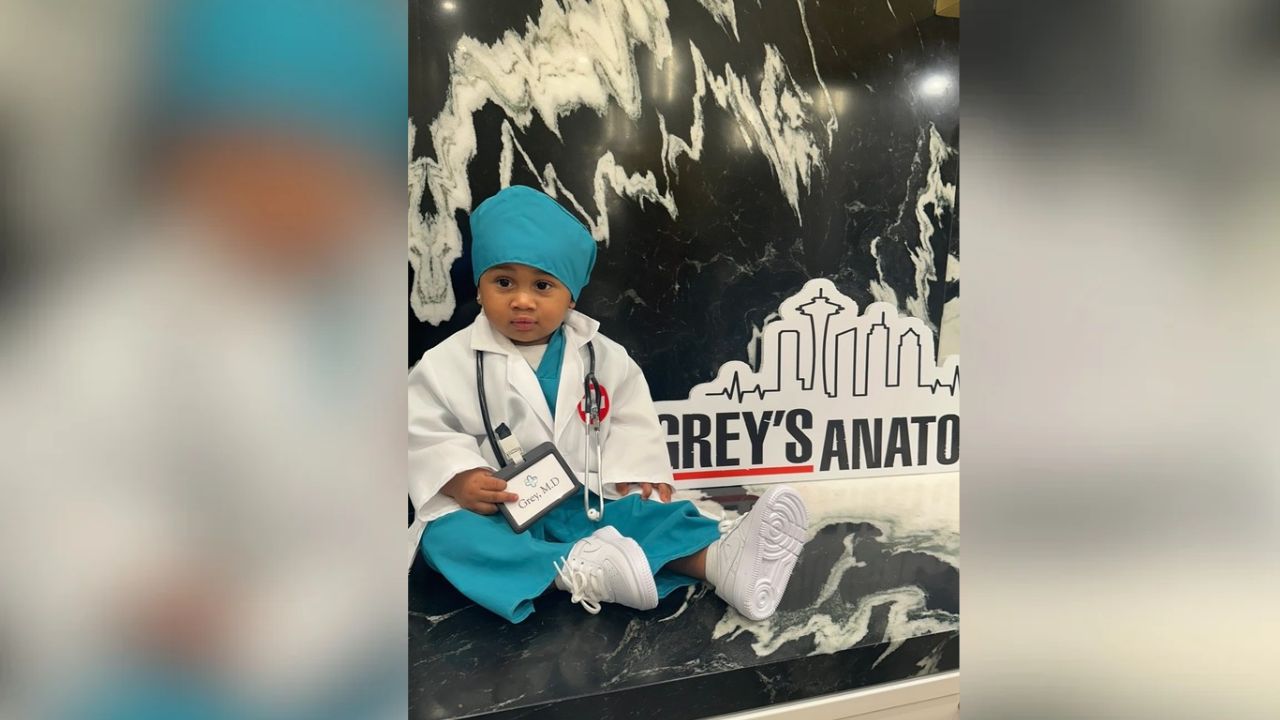
If public figures choose to share family milestones, should their children automatically become part of the same culture of criticism that surrounds their careers?
There is a meaningful difference between discussing an adult entertainer’s public actions and mocking a toddler’s appearance.
Grey’s first birthday should have been remembered as a happy occasion for his family. Instead, it became another example of how easily online arguments can overshadow personal celebrations.
Cardi’s reaction may attract headlines because of her outspoken personality, but the underlying issue deserves attention independently of her celebrity status.
As photographs of famous children continue circulating across social media, the boundaries between public curiosity and personal cruelty remain worth examining.
And that leaves a question for readers: was Cardi B right to confront the people mocking her baby publicly, or would refusing to engage have been a better way to protect her son from further attention?