The Michael Biopic Controversy: Celebrity Reactions, Family Rift, and What Was Left Out
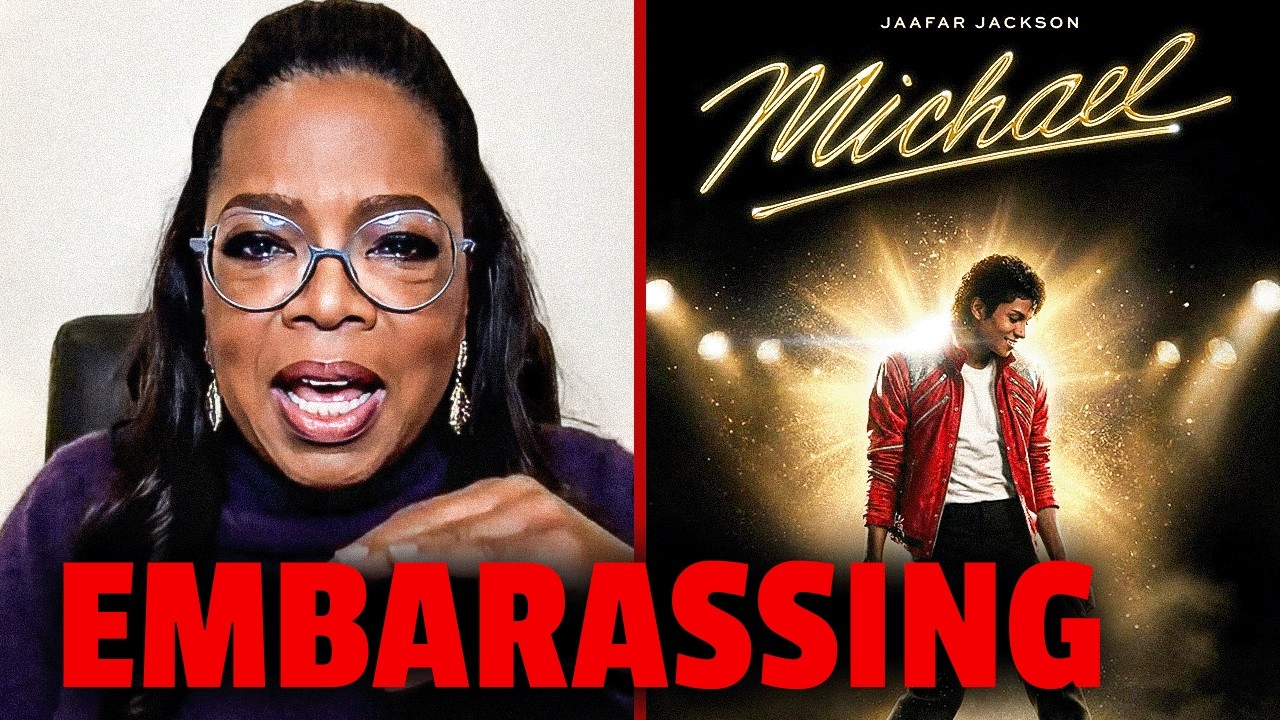
A Box Office Shock That Set the Stage
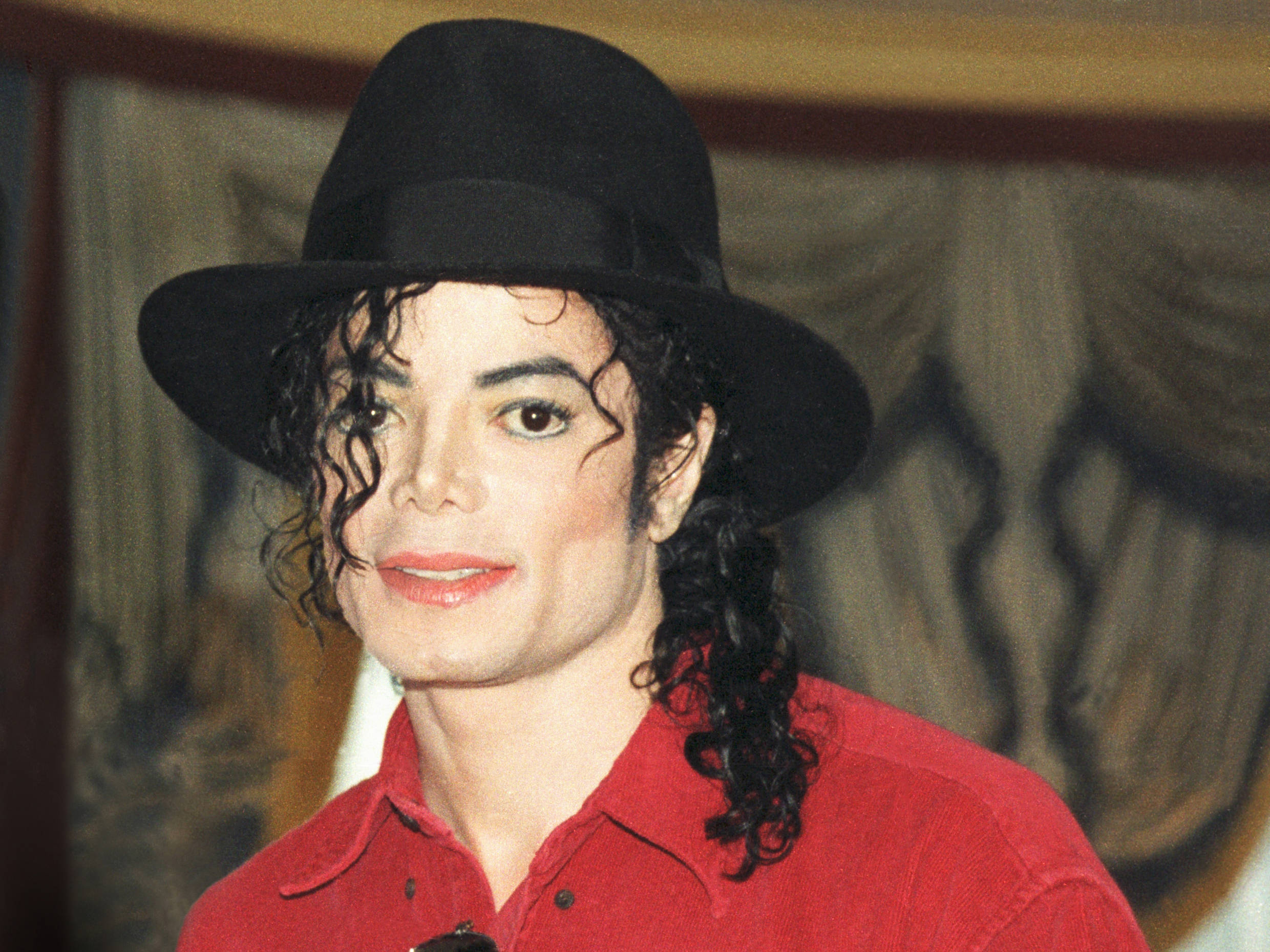
Hollywood’s recent releases have painted a surprising picture of audience interest. While big-budget reboots have struggled to find traction, one music biopic centered on Michael Jackson has surged ahead, earning over $100 million in its opening weekend and positioning itself as one of the most successful musical biopics ever released.
That success, however, has not come quietly. Behind the numbers, a very different conversation has taken shape—one involving celebrities, family members, and allegations about what was included, and more importantly, what was removed from the final cut.
The Silence and the Questions Around What Was Cut
As the film gained momentum, attention quickly shifted away from its box office performance and toward its production choices. Reports and commentary surrounding the project suggest that certain scenes were removed before release due to legal considerations, leaving audiences with a version of the story that some believe is incomplete.
The conversation intensified as public figures who attended early celebrations of the film have remained largely silent on these alleged omissions, fueling speculation about what was left out and why.
Paris Jackson Speaks Out Against the Film
One of the most vocal responses came from Paris Jackson, who made it clear she was not involved in the final production after giving early feedback that she says was ignored.
She described reviewing an early draft of the script and raising concerns about accuracy, only to feel that her input was ultimately dismissed. After stepping away from the project, she later spoke publicly about her concerns, calling parts of the film inaccurate and going as far as describing elements of it as “full-blown lies.”
She also expressed frustration with how her father’s story is often shaped in Hollywood productions, suggesting that the industry tends to prioritize narrative appeal over accuracy. Despite her criticism, she did not call for a boycott of the film, instead asking to be excluded from the surrounding discussion altogether.
Disputes Over Public Statements and Family Dynamics
Tension escalated further when actor Coleman Domingo, who portrays Joe Jackson in the film, suggested in an interview that Paris Jackson and her brother Prince were supportive of the project. Paris quickly pushed back, saying she had only met him briefly on a couple of occasions and rejecting the idea that she had been actively involved or supportive.
She clarified that while she had attended events related to the film, her interactions were minimal and misrepresented. Her response added another layer to an already complicated public narrative surrounding the project.
The Director’s Defense of the Film
Director Antoine Fuqua addressed the controversy during promotional interviews, dismissing criticisms surrounding the portrayal of allegations tied to Michael Jackson’s life. He suggested that financial motivations often influence public narratives and defended his artistic approach to the material.
Fuqua also spoke about Jackson’s influence on his career, describing the singer as a major inspiration and emphasizing the cultural impact Jackson had on breaking barriers for Black artists in global entertainment.
A Legacy Rewritten or Reframed?
The film’s portrayal of Michael Jackson’s career has also drawn scrutiny for what it leaves out of his professional history. One notable point of discussion is the reduced presence of Quincy Jones in the narrative.
Jones, who played a major role in producing landmark albums like Thriller, Bad, and Off the Wall, is reportedly given a much smaller role in the film’s story. Some key moments in their early collaboration are not included, despite their significance in shaping Jackson’s musical legacy.
Their real-life relationship was complex, with Jones later making public criticisms of Jackson, including claims about songwriting credit and creative disputes that have long been debated in the music industry.
Reactions From Accusers and Critics
On the day of the film’s release, James Safechuck, one of the individuals who has publicly accused Jackson of abuse, spoke to reporters and expressed concern about the celebration of Jackson’s legacy. He suggested that honoring public figures accused of harming others can be painful for survivors and questioned the timing and framing of the film’s release.
The Jackson estate has consistently denied all allegations made against Jackson, pointing to his acquittal in his 2005 criminal trial and challenging claims made in later civil disputes, which remain unresolved in court.
A Family Divided Over the Story Being Told
Beyond public commentary, the Jackson family itself appears divided over the film. Reports describe a private screening attended by multiple family members, where reactions reportedly ranged from strong criticism to approval.
Janet Jackson was described in some accounts as highly critical of the film, while other family members reportedly defended it. However, those close to the family have also publicly denied that any major conflict occurred, adding conflicting accounts to an already complicated situation.
What remains clear is that the family has not presented a unified stance on how Michael Jackson’s story is being portrayed on screen.
The Casio Family and Shifting Testimonies
Adding another layer to the controversy, members of the Casio family have come forward with serious allegations involving long-term abuse claims connected to Michael Jackson.
However, their public position has shifted over time. In a 2010 televised interview with Oprah Winfrey, they described Jackson as a close family friend and denied inappropriate behavior. More recently, they have stated that their earlier statements were not truthful and that they were influenced in how they presented their experiences at the time.
The estate has responded by pointing to previous settlements made with the family, while the family’s representatives argue those agreements were not voluntary. Both sides maintain sharply different interpretations of the same history.
The Removal of “Leaving Neverland” and Ongoing Debate
The broader conversation around Jackson’s legacy has also been shaped by the documentary Leaving Neverland, which detailed abuse allegations made by two men who say they were harmed as children.
That documentary, once widely viewed and heavily debated, is no longer available for streaming in the United States due to legal and contractual disputes involving the Jackson estate. It is not expected to return until the end of its licensing restrictions in 2029.
The film’s director has argued that criticism of Jackson is often met with intense backlash, making open discussion difficult. The estate, meanwhile, maintains that Jackson was legally acquitted and that claims against him have not been proven in court.
A Story Still Being Written
At the center of all these overlapping narratives is a film that attempts to portray one of the most influential and controversial figures in music history. Around it, reactions continue to unfold—from family disagreements and celebrity silence to unresolved allegations and competing versions of truth.
What the film ultimately includes, excludes, or reshapes has now become part of a much larger cultural debate—one that is far from over, and still deeply divided.