Ice Cube’s Comments About Hollywood and Michael Jackson Reignite Debate Over Power in the Entertainment Industry
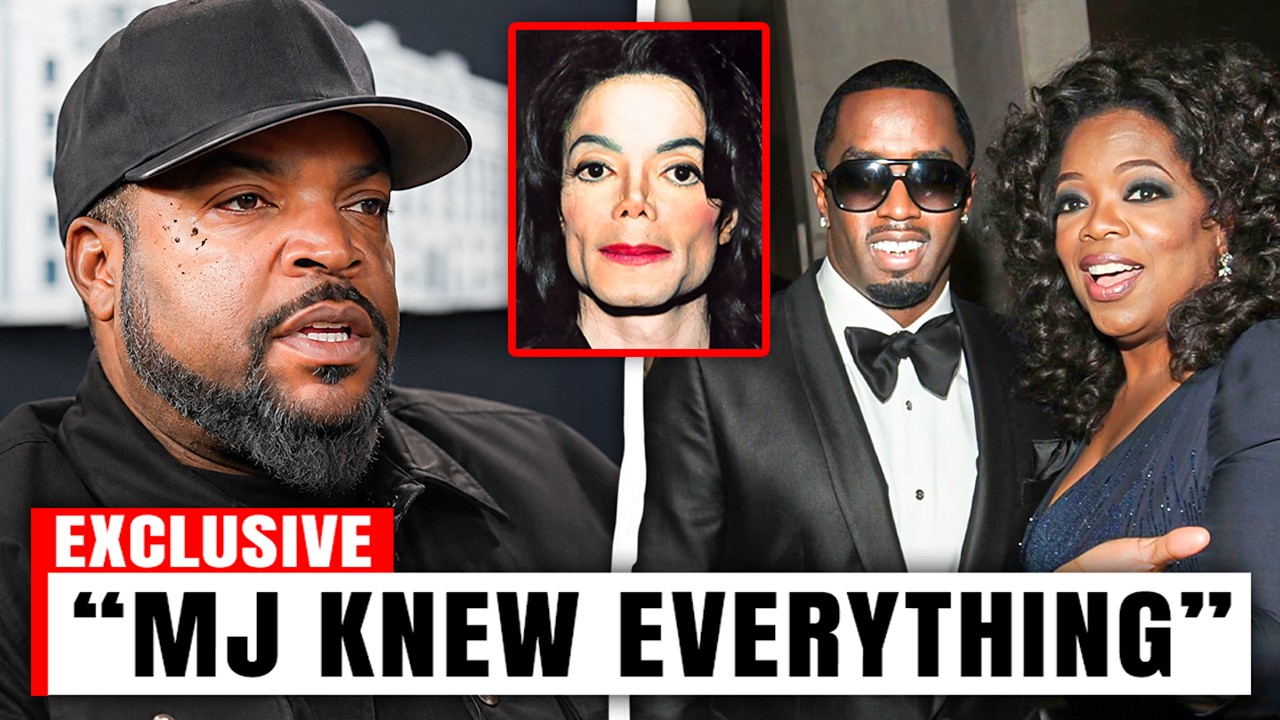
For years, Michael Jackson warned about what he believed was corruption inside the music industry. Long before his death, he publicly accused powerful executives of exploiting Black artists, manipulating narratives, and controlling careers behind closed doors.
Now, old interviews and public statements from Ice Cube are fueling renewed conversations online, with some fans drawing connections between Jackson’s warnings and Ice Cube’s criticism of what he calls “the club” operating inside Hollywood and the music business.
At the same time, figures like Oprah Winfrey and Sean Combs have become central to growing speculation about who benefits from the entertainment system and who challenges it.
Michael Jackson’s Fight Against the Industry
Much of the renewed attention centers on Michael Jackson’s public clashes with the music industry during the later years of his career.
In speeches and interviews, Jackson repeatedly claimed that Black artists were routinely exploited by record labels and executives. He argued that many performers generated enormous wealth for corporations while receiving little long-term protection themselves.
One of his most explosive moments came when he publicly criticized Sony Music executive Tommy Mottola, calling him “racist” and “devilish” while accusing record companies of conspiring against artists.
Supporters of Jackson now argue that his public criticism marked a turning point in how he was treated by the media and entertainment establishment.
Ice Cube’s “Club” Theory
Ice Cube’s interviews added another layer to the discussion.
Over the years, the rapper and actor has openly criticized what he describes as a system of gatekeepers controlling the entertainment industry. According to Cube, major corporations shape narratives, influence popular culture, and reward artists who stay within acceptable boundaries.
He has also questioned the relationship between music labels, media companies, and broader social systems, arguing that executives often push certain messages because they are profitable.
In one interview, Cube suggested that record companies carefully control which songs become hits and which artists receive promotion. He described the process as a form of “social engineering,” claiming labels guide the culture in ways that ultimately benefit powerful institutions.
For many fans, the similarities between Ice Cube’s comments and Michael Jackson’s accusations are impossible to ignore.
Sean Combs and the Influence Conversation
Old comments from Sean Combs, widely known as Diddy, also resurfaced in the discussion.
In speeches about the music industry, Diddy spoke about the influence entertainers have over culture, fashion, music, and trends. He described artists as the people who decide what becomes popular and shape what audiences consume.
Some online commentators now interpret those remarks differently, arguing they reveal how deeply interconnected entertainment and influence truly are.
The broader theory circulating online suggests that artists who thrive within the system may become uncomfortable when someone like Michael Jackson publicly challenges it.
Oprah Winfrey’s Relationship With Michael Jackson Under Scrutiny
Much of the controversy also centers on Oprah Winfrey’s evolving relationship with Michael Jackson.
Fans revisited Oprah’s famous Neverland interview with Jackson, arguing that many of her questions focused heavily on rumors and public controversy rather than understanding his perspective.
Years later, Oprah faced backlash again after participating in the “After Neverland” special connected to the documentary “Leaving Neverland,” which focused on allegations against Jackson.
Critics claimed the special presented accusations without meaningful pushback or balance, while supporters argued Oprah was addressing serious issues surrounding abuse allegations.
The debate intensified further after old interviews resurfaced in which Oprah said she did not consider herself a close friend of Jackson despite the public perception created after their televised interview.
For some fans, that distancing reinforced the belief that powerful media figures ultimately sided with the broader entertainment system rather than with Jackson himself.
Michael Jackson’s Public Defense
The conversation also revived interest in Jackson’s emotional public statements during the investigations and allegations against him in the 1990s.
Jackson strongly denied wrongdoing and described the investigations as humiliating and dehumanizing. He accused the media of manipulating public perception and urged people not to judge him before hearing the full truth.
Supporters argue that his comments reflected someone who believed he was being targeted and publicly dismantled after challenging powerful interests inside the industry.
Others continue to view the allegations against him as central to understanding his legacy, making the debate surrounding his life and career one of the most divisive topics in entertainment history.
Hollywood, Power, and Public Narratives
As old clips continue circulating online, many people are revisiting broader questions about celebrity culture, media influence, and who controls public narratives.
The theory pushed throughout the discussion is that Hollywood operates through an unofficial network of gatekeepers who protect certain figures while isolating others who challenge the system.
Supporters of that idea point to the careers of people like Ice Cube and Michael Jackson as examples of entertainers who openly criticized the industry and later faced backlash.
Meanwhile, figures like Oprah and Diddy are portrayed by critics as individuals whose success was built within the same structure Jackson publicly fought against.
Why the Debate Refuses to Disappear
Years after Michael Jackson’s death, conversations about his life remain deeply emotional and highly polarizing.
To supporters, he was a groundbreaking artist who became dangerous to powerful institutions once he began speaking openly about exploitation inside the industry. To critics, the controversies surrounding him cannot simply be dismissed as media manipulation.
What keeps the debate alive is the unresolved tension between those two views.
Now, with Ice Cube’s comments once again circulating online, many fans believe the conversation has shifted beyond Michael Jackson himself and toward a much larger question about power, influence, and control inside the entertainment world.