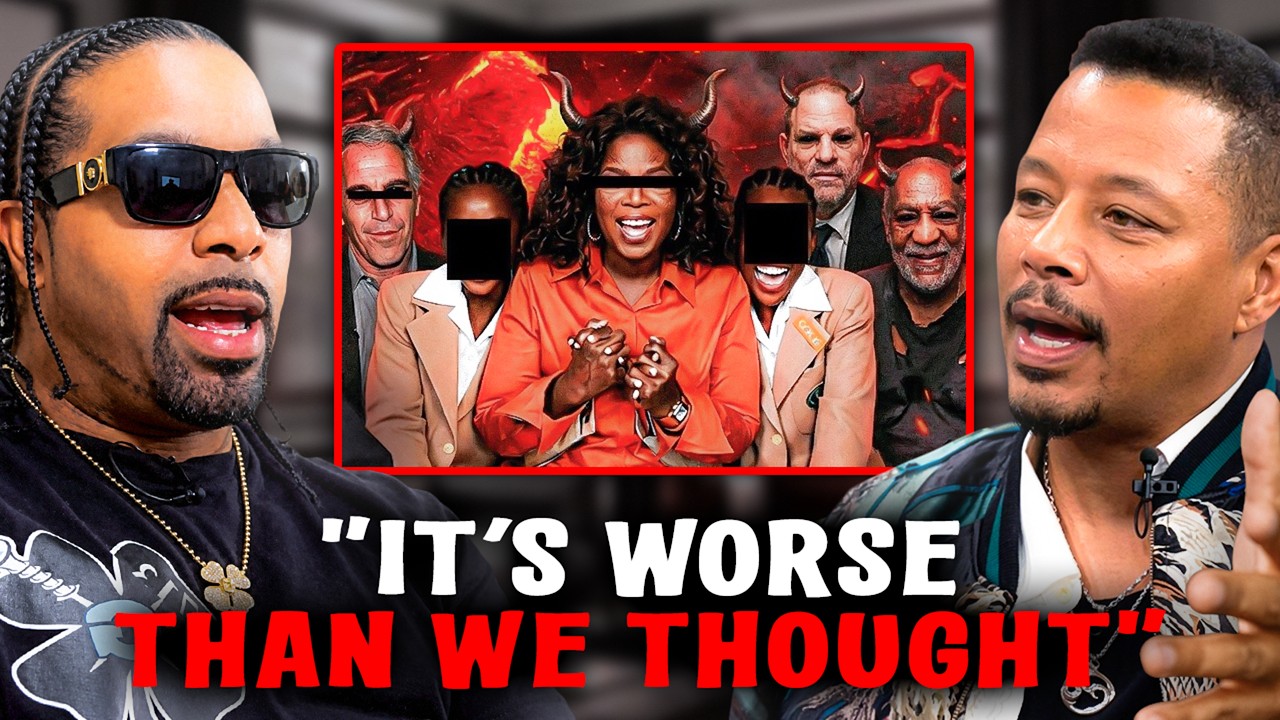
Behind the glamour of chart-topping hits and sold-out shows, a darker narrative is being pushed into the spotlight. Terrence Howard and Lil Flip are adding their voices to a growing chorus of insiders who claim the music industry isn’t just competitive—it’s systematically exploitative.
Their message is blunt: what fans see on stage is often far removed from what artists endure behind closed doors.
The Illusion of Power and Image
Rappers are often portrayed as fearless and untouchable, embodying strength and control. But according to Terrence Howard, that image can be misleading. He suggests that once artists step into certain spaces, that tough exterior fades, replaced by a reality few are willing to discuss openly.
The implication is clear—what looks like confidence and dominance in public may mask pressure and vulnerability in private.
A System Built on Exploitation
Lil Flip describes the industry as deeply flawed, driven by profit at the expense of people. He points to a long-standing pattern where young artists, often coming from difficult backgrounds, are offered life-changing opportunities—only to be locked into deals they don’t fully understand.
These agreements, he claims, strip artists of ownership over their work, their image, and sometimes even their future. The promise of success becomes a trap, with labels benefiting long after the artist’s momentum fades.
For many, the dream quickly turns into a cycle of dependency and control.
The Cost of Chasing Success
The pressure doesn’t stop with contracts. Artists are often surrounded by temptation—money, fame, and access—all presented as rewards for compliance. One voice reflects on how easy it is to lose direction, turning to substances and distractions as a way to cope.
What begins as ambition can spiral into survival, with artists chasing validation rather than purpose.
Lil Flip emphasizes that not everyone is willing to pay that price. For him, integrity matters more than fame, and he refuses to compromise his values for success.
Gatekeepers and Hidden Conditions
According to these accounts, access in the industry is tightly controlled. Gatekeepers—those who decide who gets opportunities—hold immense power. And sometimes, the path forward comes with unspoken expectations.
Terrence Howard suggests that the real test of an artist doesn’t happen in a studio or on stage, but in private conversations where boundaries are quietly pushed. These moments, he implies, determine who rises and who is left behind.
Other voices echo this, describing situations where opportunities were tied to personal compromises—whether explicit or subtle. In some cases, the demand isn’t direct, but comes in the form of pressure to tone down authenticity or conform to a certain image.
Careers Built—and Broken—on Compliance
The stories don’t end with rising stars. According to these claims, artists who resist or speak out often face consequences. Careers stall, opportunities disappear, and public narratives shift against them.
Examples are cited of artists who went from widespread success to sudden decline, with explanations that don’t fully add up on the surface. While officially attributed to controversy or poor decisions, insiders suggest there may be more behind the scenes.
In this view, the industry doesn’t just reward talent—it rewards obedience.
Shaping Culture Through Influence
Another key claim centers on how the industry chooses which artists to elevate. Those who align with certain messages or aesthetics are pushed forward, while others—especially those promoting more thoughtful or positive themes—face greater resistance.
The idea is that influence is carefully curated. By promoting specific types of artists, the industry shapes what audiences see as normal, desirable, or aspirational.
This, critics argue, creates a cycle where certain narratives dominate, not because they’re the most authentic, but because they’re the most profitable.
A Cycle That Repeats Itself
From veteran artists to newer voices, the pattern described is consistent: young talent is discovered, molded, and, if necessary, replaced. Those who conform thrive—at least temporarily. Those who don’t risk being sidelined.
Terrence Howard and Lil Flip frame this not as a series of isolated incidents, but as a system functioning exactly as designed.
The Bigger Question
At its core, this conversation isn’t just about music—it’s about power. Who controls it, who benefits from it, and who pays the price.
Whether these claims are accepted or challenged, they tap into a broader unease about the entertainment industry. For every success story, there may be unseen struggles that never make it into the spotlight.
And as more voices speak out, one question lingers: is the system broken—or is it working exactly the way it was intended?