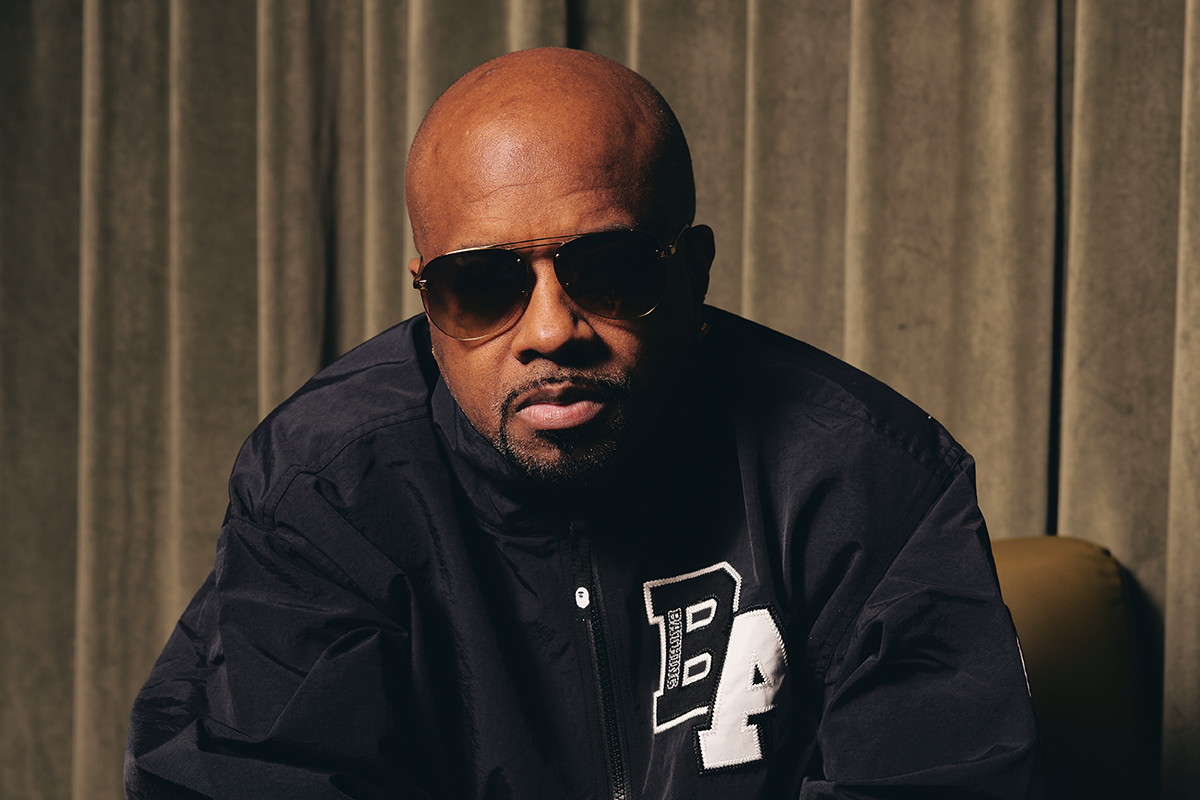
In an industry that has spent decades debating influence, gatekeeping, and who gets credit for shifting the culture, some voices carry more weight than others. Jermaine Dupri is one of them. And this week, his comments about Cardi B sparked immediate conversation.
“She changed hip-hop forever,” Dupri said during a recent industry discussion that quickly went viral. “And she did it without needing a male co-sign.”
The statement resonated not because Cardi B’s impact is a new idea, but because of how directly Dupri framed it. In his view, her rise marked a turning point in how success is built, recognized, and sustained in modern hip-hop.
More Than Hits and Charts
For Dupri, the argument goes beyond chart success or hit records. It is about structure, power, and who gets to define legitimacy in rap culture.
He pointed to Cardi B’s early rise as proof that her momentum was not manufactured through traditional industry systems. By the time she released “Bodak Yellow,” she had already built a massive presence through personality-driven content, reality television exposure, and direct, unfiltered engagement with the public.
In that sense, Dupri’s point is that the industry did not create her moment. It followed it.
That distinction matters in hip-hop, where conversations about authenticity and industry backing often shape how artists are viewed. According to Dupri, Cardi disrupted a long-standing assumption that female rappers needed validation from labels, gatekeepers, or established male figures to break through at the highest level.
She did not wait for approval. She built momentum on her own terms.
The Offset Era and the Question of Dependency

One of the most discussed parts of Dupri’s comments involved Cardi B’s relationship with Offset. While that relationship has often been highly public, Dupri made it clear that he does not see it as central to her career trajectory.
Even when she was with Offset, he argued, she was already her own force. In his view, people often connect success to relationships because it makes a story easier to understand, but Cardi’s rise was not dependent on that.
That observation touched a nerve online. Some fans agreed, noting that Cardi’s breakout moment came before most of the major headlines surrounding her relationship. Others pushed back, arguing that visibility in entertainment is always connected to a broader public picture.
Still, Dupri’s larger point was not really about relationship dynamics. It was about perception. And in hip-hop, perception often becomes reality.
A Blueprint for a New Generation

Beyond the debate, Dupri’s comments also highlighted what he sees as Cardi B’s long-term influence on the industry. In his view, she helped reshape what success looks like for female rappers in the streaming era.
Before Cardi’s breakout, the path to mainstream rap success for women was often framed through careful industry development, curated branding, or mentorship. Cardi’s rise felt different. It was faster, louder, and more direct.
Dupri suggested that she made it acceptable to be unfiltered and still win. That shift has had a lasting impact on younger artists watching her. Today’s female rap landscape, filled with personalities who blend social media presence with chart performance, reflects that change.
Artists now build audiences before major deals, and branding often begins long before a debut album. In that model, personality is not separate from the product. It is part of it.
Why Jermaine Dupri’s View Matters
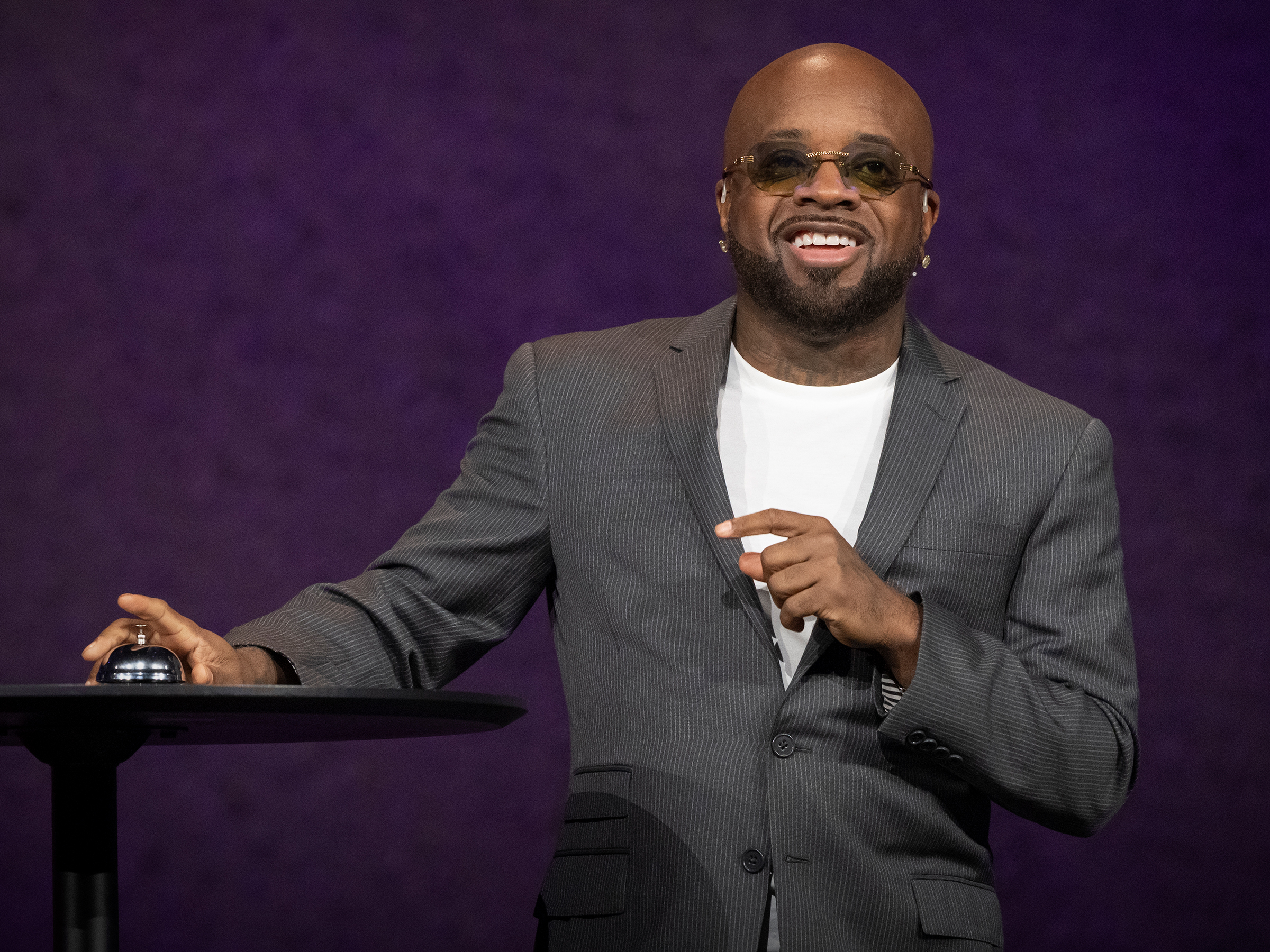
Part of the reason Dupri’s comments gained so much traction is his place in hip-hop history. As a producer and architect behind some of the genre’s most successful acts, he has worked across multiple eras, from the dominance of physical sales to the transformation brought by streaming and social media.
So when he describes Cardi B as a generational shift, the statement carries a different kind of authority. He has seen the industry before and after major structural changes, and from his perspective, Cardi represents exactly that kind of transition.
She is not just a successful artist. She represents a change in how success itself is built.
A Bigger Conversation About Gatekeeping
At the center of Dupri’s argument is a broader industry question: how much does validation still matter?
For years, hip-hop success often moved through gatekeeping systems such as label endorsements, radio access, and industry alliances. In the streaming era, many of those barriers have weakened. Artists can now build direct relationships with audiences, bypassing older approval systems.
That is part of what Cardi B represents in this conversation. She did not wait for permission. She created demand.
Whether everyone agrees with that framing or not, the idea has become central to modern debates about music, influence, and independence.

More Than One Artist’s Story
So far, Cardi B has not publicly responded to Dupri’s remarks. But her career already reflects much of what he described. From viral breakthrough moments to chart-topping success and global visibility, her rise has consistently blended entertainment, personality, and music in ways that feel built for the current media landscape.
She is not just an artist in the traditional sense. She is a media ecosystem. And whether critics embrace that or not, it has proven durable.
At its core, Dupri’s statement is not only about Cardi B. It is about evolution. Hip-hop has always been shaped by change, through regional shifts, stylistic reinvention, and generational turnover. What makes this moment stand out is how clearly it connects cultural influence to platform power.
In the end, Cardi B’s legacy is not defined only by awards or chart positions. It is also defined by the way she changed how people think about who gets to succeed.
And that may be the biggest shift of all.