A wave of speculation is sweeping through the music world after Kanye West made explosive claims about control, cloning, and the fate of NBA YoungBoy. What began as a fringe theory has quickly evolved into a viral conversation, fueled by bold statements, unusual timelines, and fans searching for answers.
A Warning About Control and Medication
Kanye West has long spoken about his struggles with the industry, but his latest remarks push those concerns even further. He describes being pressured to take heavy doses of medication, claiming the amount suggested left even medical professionals hesitant to disclose it immediately.
According to Kanye, refusing that treatment may have saved his life. He believes compliance could have led to a narrative where he was remembered as troubled, rather than present and outspoken. In his view, this isn’t an isolated experience—he points to other high-profile figures as examples of what happens when artists lose control of their own lives.
The Cloning Conversation Takes Center Stage
From there, the discussion shifts into more controversial territory: cloning. Kanye insists that cloning exists, framing it as something already happening in broader contexts. The real question, he suggests, isn’t whether cloning is real—but whether it’s being used on humans.
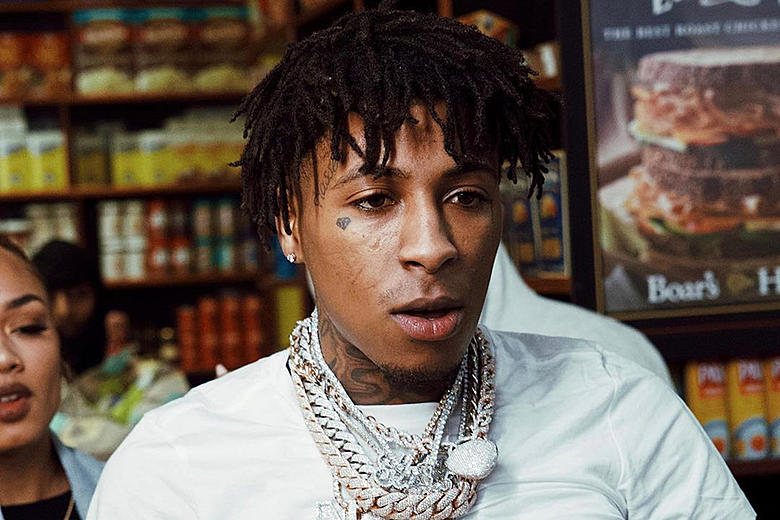
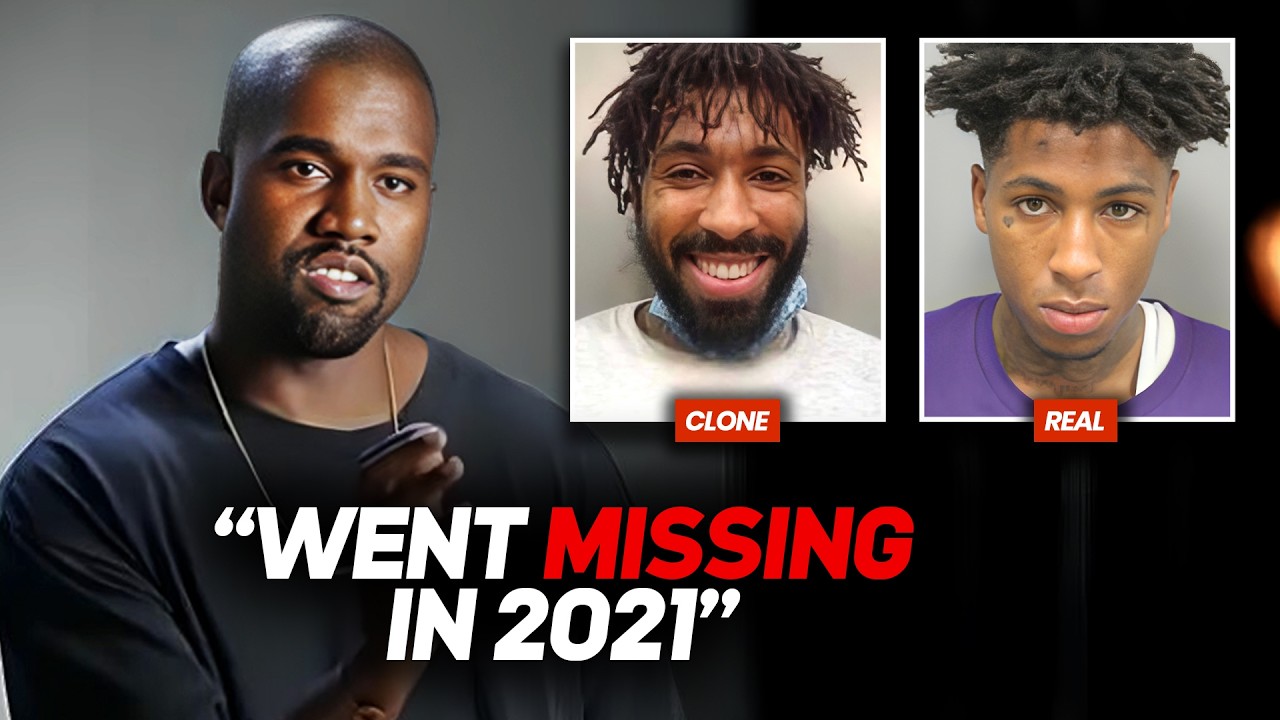
This idea becomes central when the focus turns to NBA YoungBoy. Online speculation about the rapper being “cloned” has circulated since his 2021 arrest, but Kanye’s involvement has added new fuel to the theory.
The Disappearance That Sparked Questions
The timeline surrounding NBA YoungBoy’s arrest plays a major role in the narrative. After a high-profile police chase and arrest tied to a federal warrant, he was initially granted bond—only for it to be revoked shortly after. What followed was a six-month period where he remained out of public view.
Despite that absence, music continued to be released at a steady pace. While some believed these were pre-recorded tracks, others began to question how consistent the output was during that time.
When he eventually reappeared, fans noted differences. His appearance, voice, and overall presence seemed altered to some observers. Small details—like tattoos and facial features—became talking points, feeding the growing belief that something wasn’t right.
A Sudden Shift in Message and Image
Beyond physical changes, critics of the situation point to a shift in artistic direction. Before his arrest, NBA YoungBoy’s music often focused on themes of faith, personal growth, and criticism of the industry. After his return, some listeners felt the tone had changed dramatically.
This perceived shift is central to the cloning theory. The argument suggests that a controlled version of the artist would be more willing to promote messages aligned with industry interests, rather than challenge them.
Why Target NBA YoungBoy?
One of the most debated aspects of the theory is why NBA YoungBoy would be singled out. The explanation offered centers on his audience. With a fanbase largely made up of younger listeners, he represents a powerful influence over a highly impressionable demographic.
At the same time, his independence from major labels makes him even more significant. As one of the most streamed artists in the country without traditional label backing, he controls both his output and his earnings—something that could make him a target in a system driven by profit.
Kanye’s Personal Connection to the Claims
Kanye’s involvement adds another layer to the story. He and NBA YoungBoy have publicly supported each other in the past, including collaborations and moments of solidarity during controversy.
Kanye also claims he faced similar attempts at control. He describes being threatened with institutionalization and forced treatment if he didn’t comply with expectations. According to him, the goal was to reshape him into a more manageable version of himself.
In one alleged exchange, he describes being given a stark choice: cooperate under strict conditions or face being heavily medicated and removed from public life. For Kanye, this reinforces his belief that artists are often controlled rather than empowered.
Fans Divided as Theories Spread
As these claims circulate, reactions remain deeply divided. Some see a pattern, connecting timelines, behavior changes, and industry dynamics into a larger narrative. Others dismiss the entire theory as speculation without evidence.
What’s undeniable is the intensity of the conversation. Social media is filled with debates, with some insisting that cloning and replacement are real, while others argue that the changes can be explained by more grounded factors.
A Conversation That Raises Bigger Questions
At its core, this controversy taps into broader concerns about power, control, and authenticity in the entertainment industry. Whether or not the claims hold any truth, they reflect a growing distrust of the systems behind fame.
Kanye West’s statements have once again pushed boundaries, forcing people to question what they believe—and how much of what they see is real.
As the debate continues, one thing is certain: the line between reality and speculation has rarely felt more blurred.