China Anne McClain’s Hollywood Exit Sparks Debate Over Faith, Fame, and Industry Secrets
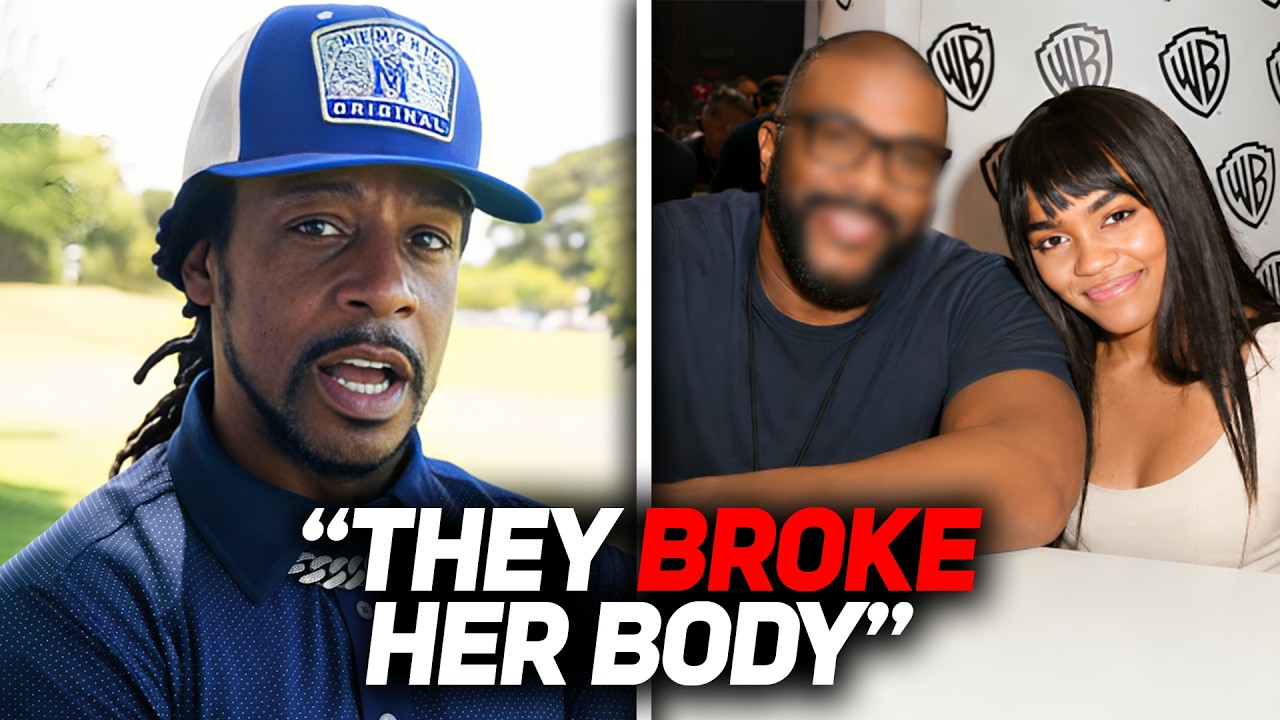
For years, rumors and conspiracy theories about the darker side of Hollywood have circulated online. But when actress China Anne McClain began speaking openly about her experiences, many people paid attention for a simple reason: she had spent most of her life working in the entertainment industry.
Her comments about faith, Hollywood culture, and the pressures faced by celebrities sparked intense debate. Some saw her as a courageous truth-teller, while others believed her claims went too far. As comedian Katt Williams continued making similar criticisms of the industry, many supporters began drawing connections between the two.
A Promising Career Takes an Unexpected Turn
China Anne McClain was once viewed as one of Hollywood’s rising stars. She consistently landed major roles and appeared to be building a successful career.
However, things seemed to change during her time on Black Lightning. Before the show’s cancellation, McClain publicly announced that she had already planned to leave. While she chose not to explain all of her reasons, she spoke about a personal transformation that had taken place in her life.
According to McClain, her priorities had shifted dramatically. She described the entertainment industry as an illusion and said she felt called to focus on what she considered God’s work rather than continue pursuing acting opportunities.
She emphasized that her departure was not because she had a bad experience on the show. Instead, she believed she was being led in a different direction.
Questions Surrounding Cameron Boyce’s Death
Many observers noticed that McClain’s public shift appeared to intensify after the death of her close friend and fellow actor Cameron Boyce.
Officially, Boyce’s death was attributed to a seizure resulting from epilepsy. However, McClain publicly questioned that explanation and expressed doubts about the circumstances surrounding his passing.
The loss deeply affected her. In emotional statements, she described feeling numb and spoke about how much Boyce meant to her. She said she would never have another friend like him.
Around this same period, McClain began distancing herself from Hollywood and increasingly focused on sharing messages about faith and spirituality.
A New Public Identity
As McClain stepped away from acting, her social media presence changed significantly.
She began posting content centered on Christianity, discussing her relationship with God and encouraging others to explore faith for themselves. Her videos often focused on morality, purpose, and what she viewed as evidence of a creator.
While many supporters appreciated her openness, critics argued that some of her comments came across as dismissive of other beliefs. This led to ongoing debates about her message and approach.
Despite the criticism, McClain remained committed to sharing her views and continued speaking publicly about her faith.
The Lil Nas X Controversy
One of McClain’s most controversial moments came when she addressed Lil Nas X’s “Montero” music video.
The video generated widespread discussion because of its imagery involving heaven, hell, and Satan. Some viewers interpreted it as satanic symbolism, while others viewed it as commentary on the treatment of gay people and the messages they often receive from religious communities.
Lil Nas X defended the video by explaining that it reflected experiences of self-hatred and condemnation he faced while growing up gay.
When McClain responded, she focused on what she believed was a misunderstanding of God’s nature. She argued that many people confuse God with the actions of individuals who claim to represent Him poorly.
Her response satisfied neither side of the debate. Critics felt she failed to address the harm caused by judgmental religious messages, while others believed she was trying to remain neutral in a highly polarized conversation.
Claims About Hollywood’s Influence
McClain also spoke extensively about what she sees as deliberate spiritual messaging within entertainment.
She argued that recurring imagery involving Satan, demons, upside-down crosses, and pentagrams is not accidental. In her view, the industry uses such symbols intentionally because of the influence entertainment has over culture.
These comments became some of her most widely shared statements online. Supporters viewed them as evidence that she was exposing hidden truths, while critics dismissed them as conspiracy theories.
Regardless of the reaction, her comments further strengthened her reputation as one of Hollywood’s most outspoken critics.
Katt Williams and Similar Warnings
Many of McClain’s supporters point to Katt Williams as another public figure who has spent years criticizing the entertainment industry.
Williams has repeatedly claimed that people who challenge powerful interests in Hollywood often face professional consequences. He has also argued that entertainers are pressured to compromise their principles in exchange for success.
Because of these views, supporters believe Williams and McClain are speaking about the same underlying problems from different perspectives.
Their critics, however, argue that many of these claims lack evidence and rely heavily on speculation.
Dave Chappelle’s Experience
The discussion often expands beyond McClain and Williams to include comedian Dave Chappelle.
After signing a massive deal with Comedy Central, Chappelle famously walked away from his show and spent time in South Africa. During that period, media reports frequently questioned his mental health.
When he later spoke publicly about the experience, Chappelle rejected claims that he had lost his mind. Instead, he described being under immense stress and suggested that people around him were attempting to portray him as unstable.
He also questioned why several high-profile entertainers appeared to experience public breakdowns or personal crises after reaching major career milestones.
For some observers, these comments echoed concerns raised by Williams and others about the pressures that exist within the entertainment industry.
The Debate Over Hollywood Expectations
Another topic frequently discussed by Williams and Chappelle involves the expectation that some male performers wear dresses in comedic roles.
Williams has suggested that such situations can function as a form of humiliation. Chappelle has shared a story about refusing to wear a dress in a film scene, saying he felt it was unnecessary and resisted pressure to do so.
Supporters of these comedians point to these stories as examples of performers standing by their personal boundaries. Others view them as isolated creative disagreements rather than evidence of a broader pattern.
The issue remains one of the more controversial claims connected to discussions about Hollywood culture.
Why the Conversation Continues
China Anne McClain’s departure from acting transformed her from a rising star into a polarizing public figure.
To her supporters, she sacrificed career opportunities in order to stay true to her faith and speak honestly about what she believes happens behind the scenes in entertainment. To her critics, many of her claims rely on speculation and controversial interpretations of events.
Katt Williams, Dave Chappelle, and other outspoken entertainers have fueled similar conversations for years, ensuring that questions about power, influence, and personal freedom in Hollywood remain a topic of public fascination.
Whether people see these figures as whistleblowers or conspiracy theorists, their stories continue to spark debate about what really happens behind the curtain of fame.