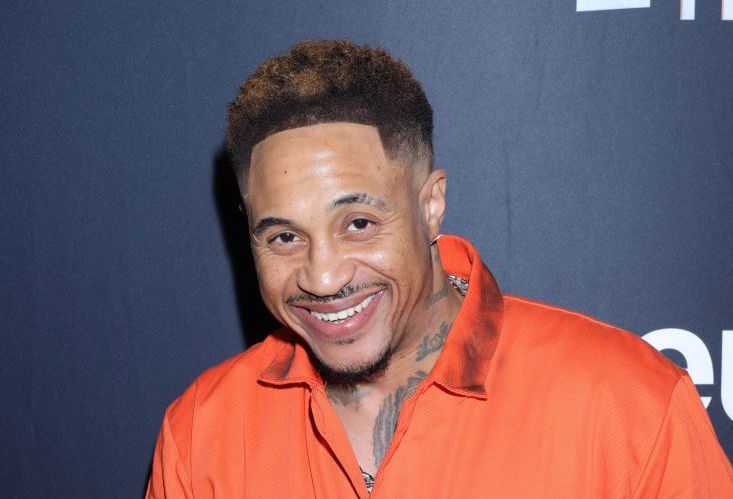
Orlando Brown’s Troubled Journey Through Hollywood and the Growing Questions Around the Industry
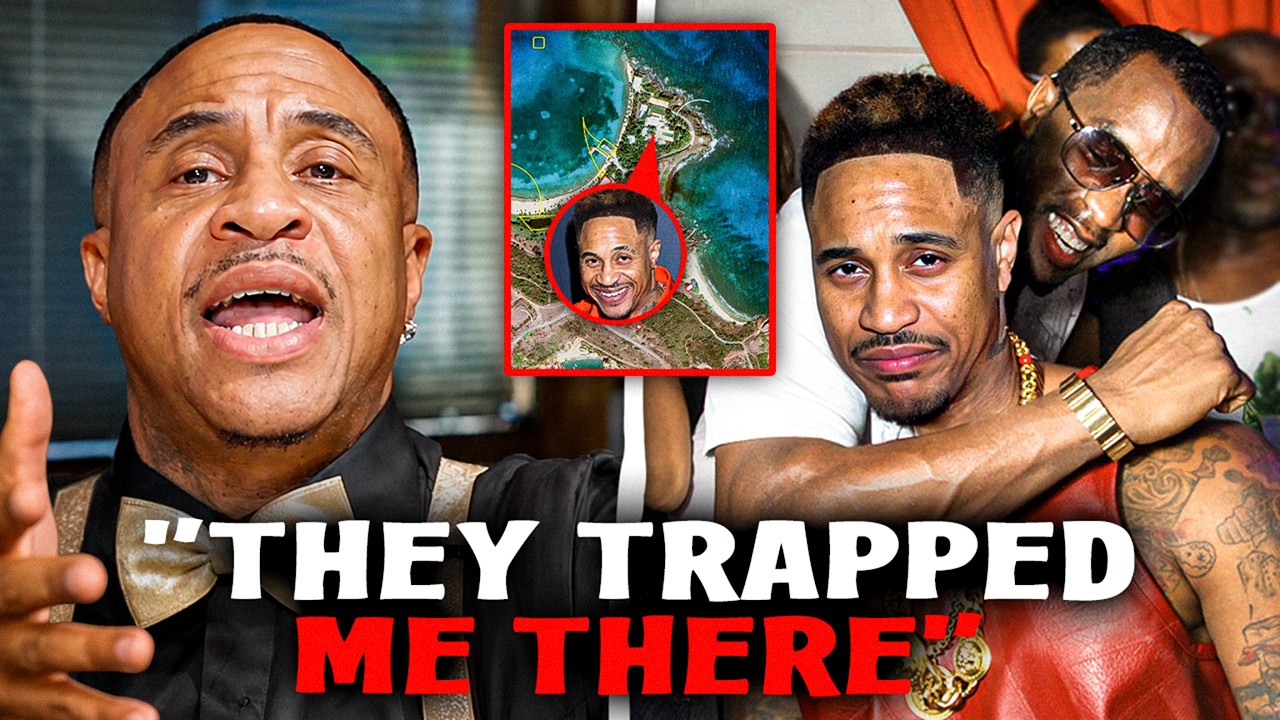
For years, Orlando Brown was treated like a punchline.
The former Disney Channel star became a viral figure because of chaotic interviews, bizarre statements, public meltdowns, and legal troubles that played out in front of millions of people online. Most audiences laughed, dismissed him, or assumed he had completely lost touch with reality.
But as major scandals inside the entertainment industry began surfacing in recent years, many people started revisiting Orlando Brown’s old interviews with a very different perspective. Suddenly, comments that once sounded unbelievable were being reexamined alongside growing conversations about exploitation, power, trauma, and what child stars may experience behind the scenes.
The result has been a dramatic shift in how people view Brown’s story.
From Disney Star to Public Breakdown
Most viewers first knew Orlando Brown as Eddie Thomas on That’s So Raven, one of Disney Channel’s biggest shows of the early 2000s. Funny, energetic, and naturally charismatic, Brown quickly became one of the show’s most recognizable personalities.
But his acting career started long before Disney. As a child, Brown appeared in shows like Family Matters and Two of a Kind before landing the role that made him famous.
By the time That’s So Raven premiered in 2003, Brown had already spent years working inside the entertainment industry while still growing up himself.
The success came fast. The pressure came with it.
The show lasted four seasons and more than 100 episodes, keeping Brown in the spotlight throughout his teenage years. When the series ended in 2007, he attempted to transition into music and continue building a career, but the path became increasingly unstable.
Over the next several years, Brown’s life publicly unraveled through arrests, substance abuse struggles, psychiatric evaluations, and homelessness. Much of the media coverage focused less on concern and more on spectacle.
To many viewers, Orlando Brown became “the former child star who lost it.”
The Interviews That Changed Public Perception
Throughout those difficult years, Brown gave countless interviews that often appeared confusing, contradictory, or deeply erratic.
Some moments were humorous. Others were uncomfortable. At times, he made bizarre claims involving celebrities, religion, conspiracies, and the entertainment industry itself.
Because of his behavior and visible instability, most people stopped taking anything he said seriously.
But buried inside those interviews were repeated comments about uncomfortable experiences in Hollywood, especially involving young performers navigating environments filled with pressure, manipulation, and powerful adults.
Brown spoke about being exposed to situations where saying “no” was not always welcomed. He described the entertainment industry as a place that could damage people psychologically while rewarding silence and compliance.
At the time, those statements were largely brushed aside.
Then the wider entertainment world began facing its own reckoning.
The Diddy Allegations and Renewed Attention
As allegations and investigations involving Sean “Diddy” Combs became major public news, people began revisiting old clips from celebrities who had hinted at troubling behavior within the industry long before those conversations became mainstream.
Orlando Brown’s interviews quickly resurfaced online.
Suddenly, audiences who once mocked him began sharing clips with captions suggesting that he may have been speaking about real issues all along. Public opinion started shifting almost overnight.
Brown’s former co-star Raven-Symoné even acknowledged that he had been calling out real people and real situations, though she stopped short of fully endorsing every claim he made.
That nuance became important.
Many of Brown’s statements remain difficult to verify, and some clearly drift into territory that reflects serious emotional or psychological distress. But the larger conversation surrounding him changed because people began separating two ideas that had previously been lumped together.
A person can struggle with addiction, mental health issues, or instability and still be telling the truth about certain experiences.
Addiction, Trauma, and Public Humiliation
Brown has openly discussed his struggles with addiction, including admitting to a two-year meth binge that deeply affected his life.
In later interviews, he spoke candidly about feeling unloved, unsupported, and emotionally lost during parts of his early adulthood. He also described reaching a point where he realized he needed to confront his problems honestly instead of hiding them.
Unlike many celebrities who keep substance abuse private, Brown publicly acknowledged his addiction and framed that honesty as part of his recovery.
He also reflected on his infamous appearance on Dr. Phil, explaining that he initially felt ambushed by the experience before later expressing gratitude for the help he eventually received.
Those interviews revealed a different side of Brown than the viral clips most people were used to seeing. Beneath the chaos was someone trying to process years of pain, public embarrassment, and personal destruction while doing it in front of an audience that often treated his suffering like entertainment.
The Industry Questions People Can No Longer Ignore
As public discussions about abuse, exploitation, and manipulation inside entertainment grew louder, Brown’s story stopped feeling isolated.
Questions about how Hollywood treats child performers became harder to dismiss.
Young actors often enter the industry before they are emotionally equipped to understand the environments surrounding them. Their careers depend heavily on adults whose financial interests are tied to their success and obedience. When those systems fail, the damage can last for years.
Brown repeatedly suggested that the entertainment world places enormous pressure on vulnerable young people. He spoke about parties, power dynamics, and situations that he claimed left lasting psychological scars.
While not every statement he made can be verified, broader conversations about misconduct inside Hollywood have made many people more willing to consider that parts of his experiences may have been rooted in reality.
The public’s response to him changed not because Orlando Brown suddenly became more polished or easier to understand, but because the culture around him changed.
Finding Stability After Years of Chaos
By late 2025, Brown’s life appeared noticeably different from the darkest periods of his past.
After maintaining sobriety for a sustained period, he reportedly opened a restaurant in Phoenix, Arizona. For someone who had once struggled with homelessness and addiction, building a business represented a meaningful personal shift.
His more recent interviews also carried a different tone. The pain and unpredictability were still there, but there was also more reflection, accountability, and clarity.
Brown continued speaking about the entertainment industry, but with a stronger emphasis on protecting young people and encouraging artists to value their talent rather than feeling pressured into compromising situations.
He repeatedly stressed that success should not require sacrificing personal boundaries or self-respect.
A Story Bigger Than One Celebrity
Orlando Brown’s journey is no longer viewed by many people as simply another cautionary celebrity tale.
It has become part of a broader conversation about what happens to child performers after fame fades, how trauma can distort behavior, and how easily public audiences dismiss people once they become unstable.
For years, Brown’s struggles were consumed as internet content. His pain became entertainment.
Now, many people are looking back and asking whether the warning signs were there all along.
His story does not fit neatly into redemption or tragedy. It is messier than that. There are still contradictions, unanswered questions, and moments that remain difficult to separate from chaos.
But one thing has become increasingly clear: Orlando Brown was trying to describe experiences that deeply affected him, even if he did not always have the language or stability to explain them clearly.
And as more conversations unfold about power, exploitation, and accountability inside entertainment, people are beginning to wonder how many others lived through similar experiences but never found a way to speak about them publicly at all.