Orlando Brown Sparks New Questions About Lee Thompson Young’s Death
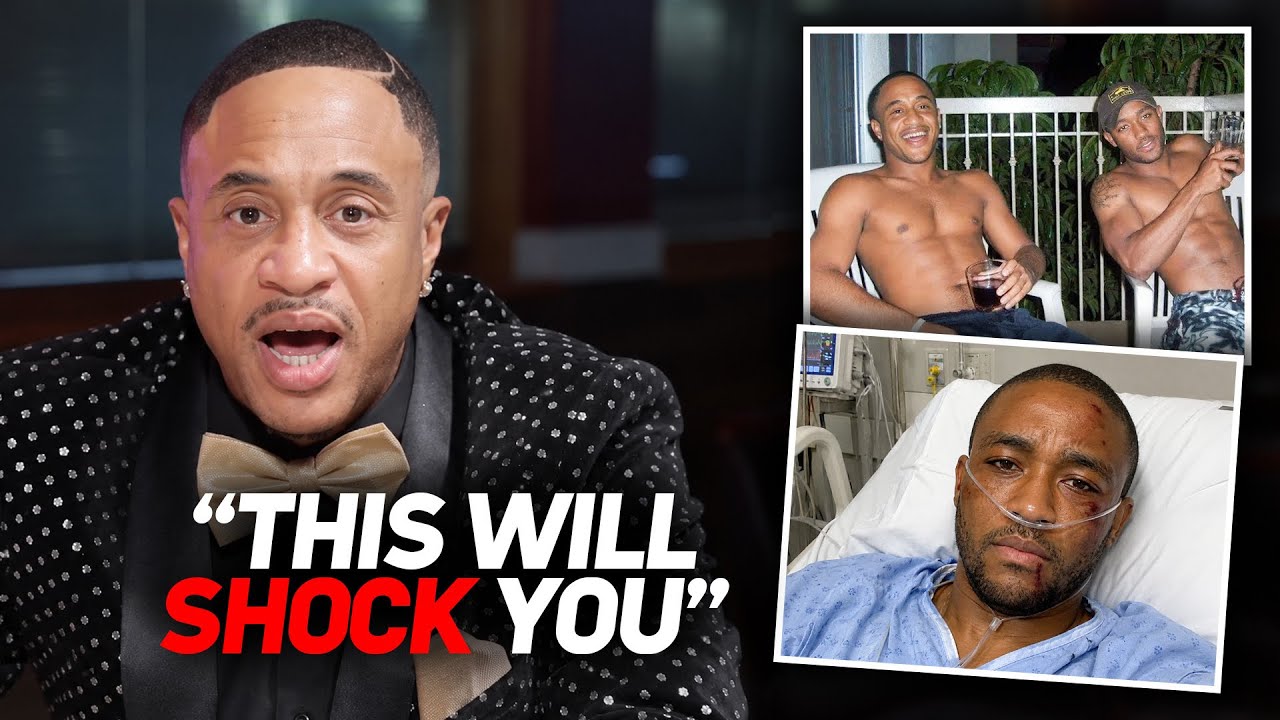
More than a decade after the death of actor Lee Thompson Young, questions continue to surround the circumstances of his passing. Now, former Disney star Orlando Brown has reignited public debate with a series of controversial claims that challenge the official narrative and have fueled renewed speculation among fans.
A Tragic Loss That Still Raises Questions
Lee Thompson Young became a household name after starring in The Famous Jett Jackson, one of Disney Channel’s early breakout hits. His success continued well beyond his Disney years, including a prominent role as Detective Barry Frost on Rizzoli & Isles.
Despite his professional achievements, Lee was privately managing bipolar disorder, something that was not widely known until after his death. According to those close to him, he remained committed to treatment, maintained strong relationships with family and friends, and continued fulfilling his professional responsibilities.
Everything changed on August 17, 2013, when reports emerged that Lee had died from a gunshot wound in his Los Angeles apartment after failing to show up for work. Friends became concerned when they could not reach him and requested a welfare check, leading authorities to discover his body.
The official conclusion was that Lee had taken his own life. However, many people found aspects of the case difficult to understand.
The Questions That Never Went Away
One of the biggest sources of speculation was the absence of a suicide note.
Those who knew Lee described him as someone who regularly documented his thoughts in a personal diary. Yet there were reportedly no entries indicating suicidal intentions or severe emotional distress. Investigators also examined his computer but reportedly found no evidence that helped explain what had happened.
Friends and family members pointed to the positive aspects of his life at the time. He was said to have a strong support system, close relationships with loved ones, and an active spiritual life. Just months before his death, he had traveled with his mother and participated in a cultural ceremony in a Yoruba village.
To many who knew him, the image of a lonely and isolated person did not align with the man they remembered.
As a result, questions persisted long after the investigation concluded.
Disney’s Response Draws Criticism
Following Lee’s death, Disney Channel released an official statement expressing condolences. However, some fans felt the response did not adequately recognize the impact Lee had as one of the network’s earliest stars.
For viewers who grew up watching him, his contributions to Disney’s success deserved greater acknowledgment. The perceived lack of recognition became another point of discussion among those still mourning his loss.
Orlando Brown’s Complicated Relationship With Fame
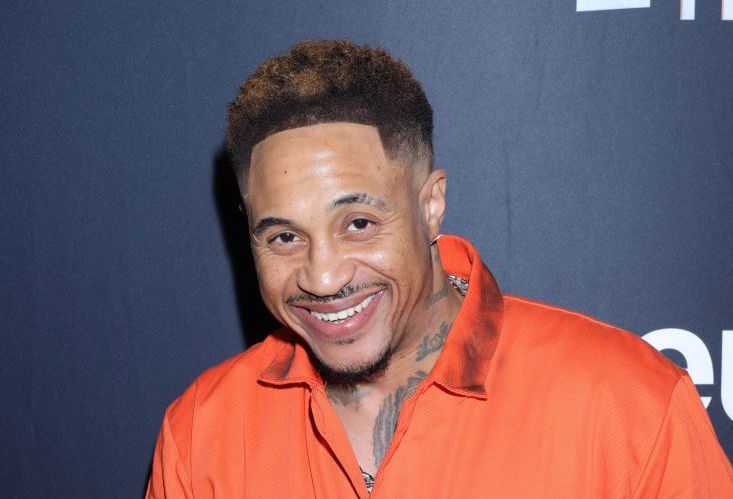
Orlando Brown’s comments carry particular attention because he also rose to fame through Disney.
Best known for playing Eddie Thomas on That’s So Raven, Orlando became one of the network’s most recognizable young stars. He also appeared in projects including Max Keeble’s Big Move, The Proud Family, and Fillmore!.
After leaving Disney, however, his life took a different path. A series of legal troubles and substance-related incidents brought significant public scrutiny. His struggles became highly publicized, and his career declined.
At one point, Orlando appeared on Dr. Phil, where concerns about his well-being were discussed openly. He later spoke about rehabilitation and efforts to rebuild his life.
The Claims That Reignited Debate
Years later, Orlando made a number of controversial statements during interviews, including claims involving powerful figures in the entertainment industry, spiritual contracts, and alleged efforts to control or silence performers.
Some viewers interpreted these comments as references to Lee Thompson Young. According to this line of speculation, Lee allegedly refused opportunities that Orlando suggested were connected to darker forces within Hollywood.
These claims were not accompanied by evidence, but they quickly gained attention online and became part of a broader discussion surrounding Lee’s death.
Supporters of these theories argue that Lee’s lack of substance abuse issues, professional success, and strong personal relationships make the official explanation difficult to accept. Others point to his bipolar diagnosis as a factor that may have contributed to his struggles, even if those challenges were not visible to the public.
A Mystery That Continues to Divide Opinion
More than ten years later, Lee Thompson Young’s death remains a deeply emotional subject for fans who remember him as a talented actor with a bright future.
For some, the official conclusion provides the answer. For others, unanswered questions continue to fuel doubt and speculation.
Orlando Brown’s recent remarks have brought those questions back into the spotlight, ensuring that conversations about Lee’s life and death remain active. Whether people accept the official explanation or believe there is more to the story, one thing remains clear: Lee Thompson Young’s legacy continues to leave a lasting impression on those who grew up watching him.