In today’s media landscape, stories don’t simply disappear—they linger, resurface, and often return with greater intensity than before. That pattern is playing out once again as Kim Porter’s name re-enters public conversation, tied to a wave of viral claims about a supposed “final diary entry.”
At first glance, the story feels explosive. It suggests hidden truths, powerful figures, and revelations that were never meant to be seen. But beneath the surface, a critical gap remains—there is no verified evidence that such a diary exists or that the claims attached to it are authentic.
So why does the story feel so convincing?

A Rumor That Refuses to Fade
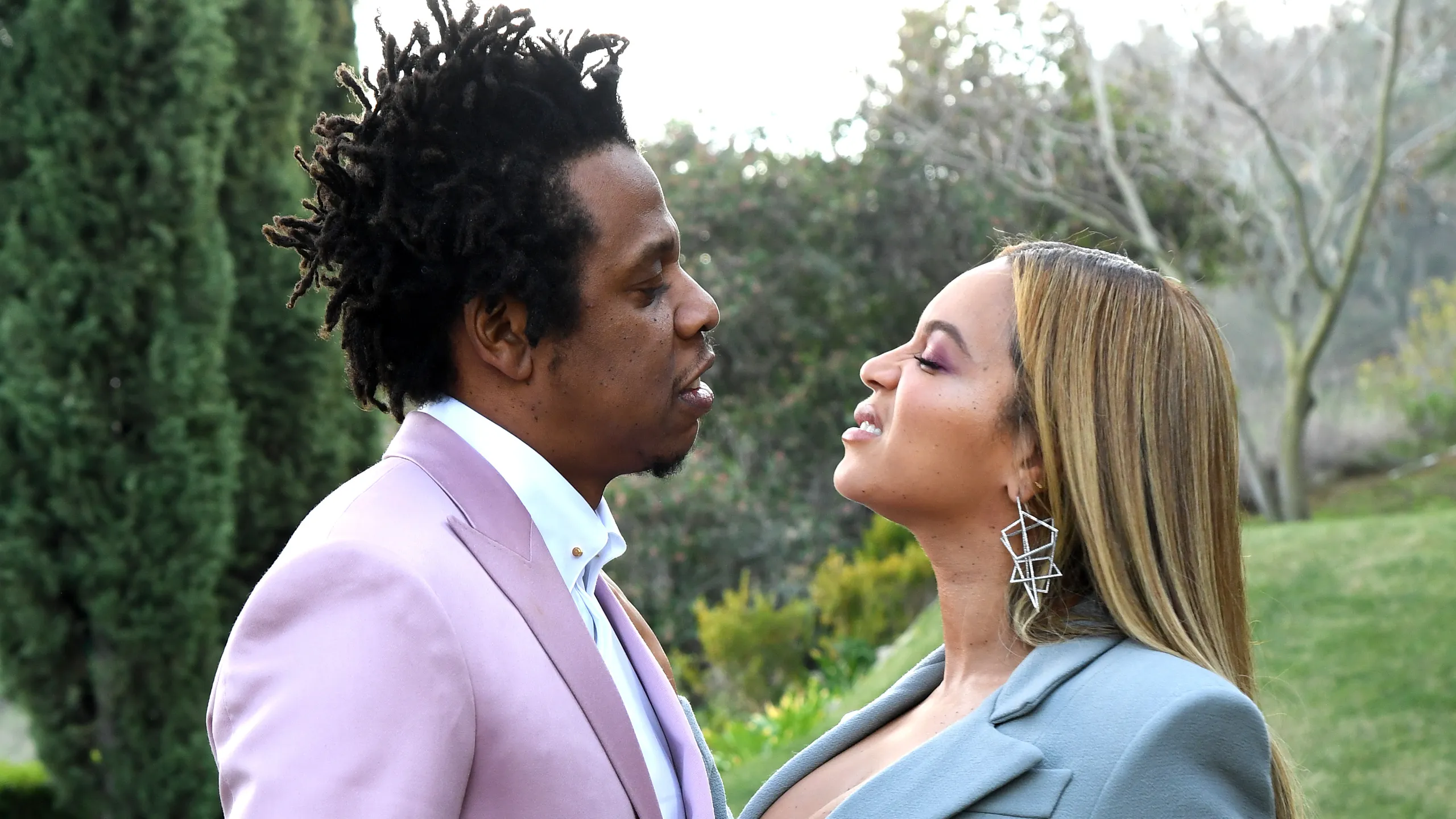
The current wave of attention centers on allegations that Kim Porter left behind private writings containing sensitive details about well-known figures, including Beyoncé and Jay-Z.
These claims have spread quickly, fueled by social media posts, reinterpretations, and repeated retellings. Each version adds new layers, making the story feel more complete and more believable over time.
Yet the foundation of it all remains uncertain. There is no confirmed documentation, no authenticated source, and no verified account of the alleged diary or its contents.
What exists instead is a narrative shaped by speculation rather than confirmation.
The Power of Proximity

Part of what gives the story its weight is Kim Porter’s proximity to influence. Through her relationship with Sean “Diddy” Combs, she was connected to a network that spans music, media, and business.
This closeness has led some to assume that she may have had access to private knowledge or experiences beyond what was publicly known. In the world of online speculation, that assumption often becomes a starting point for larger theories.
But proximity is not proof. While it can spark curiosity, it does not confirm the claims being made.
How Speculation Expands
As the story circulates, it begins to connect with other names and narratives, including figures like Kathy White. These additions create the impression of a broader pattern, linking separate events into a single, overarching theory.
However, these connections are largely built after the fact. They rely on interpretation rather than verified evidence, turning isolated details into a larger, more dramatic storyline.
This process is a key reason why the narrative continues to grow, even without confirmation.
At the center of the story is a powerful idea—the existence of a private diary. The concept itself carries emotional weight, suggesting honesty, intimacy, and unfiltered truth.
A diary feels different from public statements. It implies something written without an audience in mind, which makes it seem more authentic.
But that same quality also makes it difficult to verify. Without clear proof of authorship or authenticity, such claims remain in the realm of possibility rather than fact.
When Curiosity Fills the Gaps
The story also taps into long-standing public fascination with how celebrities manage their private lives. Topics like relationships, family decisions, and personal choices often attract speculation, especially when details are limited.
In the absence of clear information, audiences tend to fill in the gaps. Over time, those interpretations can begin to feel like established truths, even when they are not.
For figures like Beyoncé and Jay-Z, whose public image is carefully managed, this dynamic is especially strong. Their ability to maintain privacy has earned admiration, but it has also fueled ongoing curiosity.
Why This Moment Matters
What makes this story particularly significant is its timing. It reflects a broader shift in how audiences engage with celebrity narratives.
There is growing skepticism, a desire to question official versions of events, and an increased willingness to explore alternative explanations. Social media has amplified this shift, turning speculation into a shared, collective process.
As a result, stories like this gain traction not because they are proven, but because they align with a mindset that expects hidden layers beneath public images.
Emotion Versus Evidence
The resurfacing of Kim Porter’s name adds emotional weight to the narrative. Her life and passing remain meaningful to many, and any claim connected to her naturally draws attention.
That emotional response can make the story feel more urgent and more credible. But emotional impact is not the same as factual confirmation.
Without verified evidence, the claims remain what they are—unconfirmed, speculative, and shaped by interpretation.
A Story About Storytelling
In the end, the most revealing aspect of this situation may not be the claims themselves, but why they continue to spread.
This is a story driven by curiosity, amplified by repetition, and sustained by the human tendency to search for deeper meaning. It exists in the space between fact and imagination, where unanswered questions invite endless interpretation.
As long as that space remains, stories like this will continue to return—not because they have been proven, but because they have never been fully resolved in the public mind.