Rumors, leaked recordings, and viral interviews often ignite public fascination with the idea that powerful figures in entertainment secretly control who rises—and who falls. Over the past few years, conversations around media personality Wendy Williams and comedian Katt Williams have fueled renewed debate about how the entertainment industry handles controversy, dissent, and declining health among its stars.
Some narratives frame these stories as evidence of shadowy elite networks. Others see them as cautionary tales about fame, health, and the brutal realities of celebrity-driven media. To understand why these stories resonate so strongly, it helps to step back and examine the larger forces shaping modern entertainment.
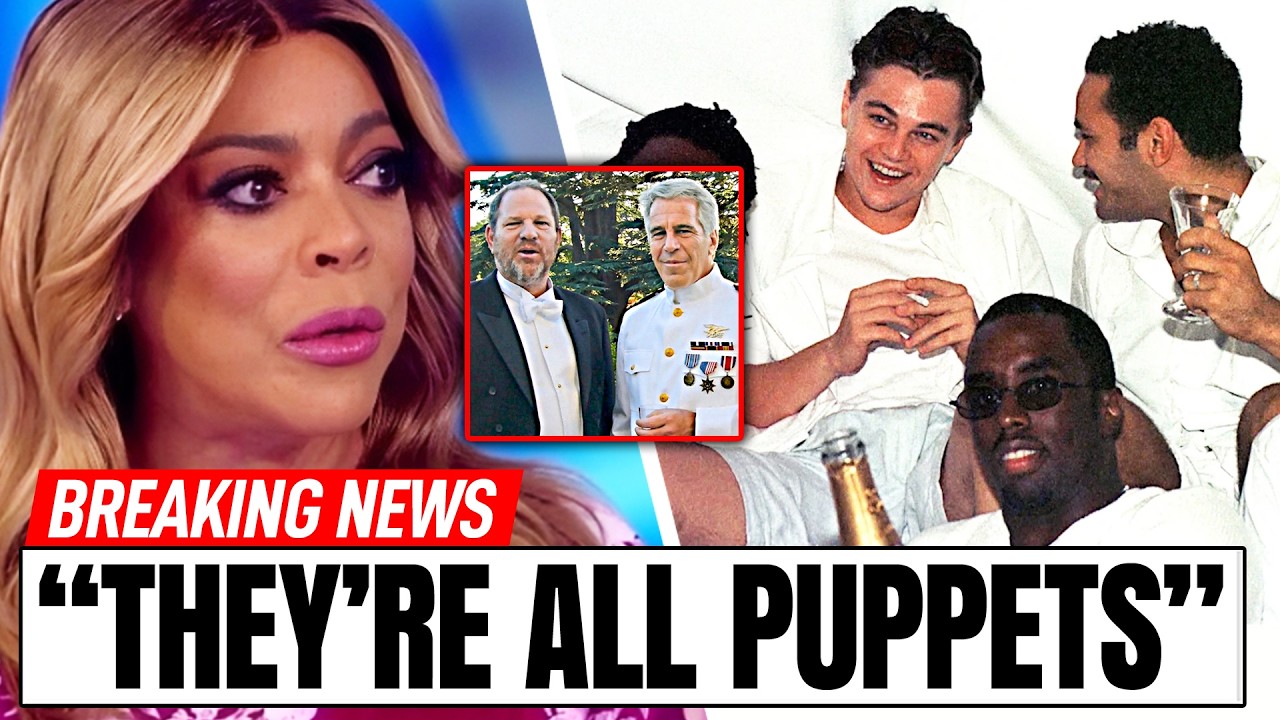
The Rise of a Media Firebrand
For decades, Wendy Williams built her reputation on fearless commentary. Beginning in radio and later dominating daytime television with The Wendy Williams Show, she created a brand around direct, often controversial opinions about celebrities and industry gossip.
That style made her one of the most recognizable personalities in entertainment media. But it also meant she frequently clashed with powerful figures across music, television, and film.
When Williams stepped away from her show amid health concerns—including reports related to cognitive disorders—public attention shifted from the celebrities she once discussed to her own circumstances. The situation triggered intense speculation online, with supporters questioning whether her career decline was solely about health or something more complicated.
Regardless of where one stands on the rumors, her story highlights how quickly celebrity narratives can flip. The commentator can become the headline overnight.
The Complex Reality of Conservatorships
One topic frequently raised in discussions about Williams is the broader legal concept of conservatorships and guardianships.
These arrangements allow courts to appoint someone to manage the finances or personal decisions of individuals deemed unable to do so themselves. They are most commonly used in cases involving cognitive decline, severe illness, or disability.
However, high-profile cases have sparked public debate about whether these systems can sometimes overreach. The global conversation intensified during the legal battle involving pop star Britney Spears, whose conservatorship became the center of the #FreeBritney movement.
That case exposed how complicated these arrangements can be—balancing protection, personal autonomy, and financial interests in a world where celebrity wealth attracts intense scrutiny.
Katt Williams: Comedy, Controversy, and Industry Criticism
Comedian Katt Williams has long been known for outspoken critiques of the entertainment business. Throughout interviews and stand-up routines, he has described Hollywood as an environment where power dynamics, contracts, and reputation can shape a performer’s future as much as talent.
His career has included major successes—stand-up specials, film roles, and sold-out tours—but also legal troubles and public controversies. In several interviews, Williams has suggested that speaking too openly about industry practices can lead to professional consequences.
Whether interpreted as personal perspective or broader commentary, his remarks reflect a sentiment shared by many entertainers: Hollywood can reward conformity and punish those who challenge its structures.
Why “Hollywood Conspiracy” Narratives Spread So Easily
Stories about secret networks controlling celebrities are not new. From early film studios to modern streaming giants, entertainment has always involved immense money, influence, and competition. Those elements naturally create intrigue.
Several factors make conspiracy-style narratives especially appealing:
1. Celebrity Mystique
Public figures often live in environments inaccessible to most people—private parties, elite social circles, exclusive contracts. The mystery surrounding that world encourages speculation.
2. Rapid Information Spread
Social media platforms amplify rumors quickly. Clips, interviews, and anonymous posts can reach millions before facts are fully verified.
3. Real Historical Scandals
High-profile events such as the crimes of financier Jeffrey Epstein demonstrated that powerful networks can indeed hide misconduct for years. When genuine scandals emerge, they reinforce public suspicion toward institutions.
4. Public Distrust of Institutions
Across industries—from finance to politics—many people increasingly question whether powerful organizations operate transparently. Entertainment is no exception.
The Entertainment Industry’s Real Power Structures
While sensational theories dominate headlines, the actual structure of Hollywood power is more visible—and often more mundane—than imagined.
Influence typically flows through several channels:
-
Major studios and streaming platforms that finance projects
-
Talent agencies that negotiate contracts and shape careers
-
Public relations teams that manage reputations
-
Legal and financial systems controlling intellectual property and earnings
These mechanisms can dramatically influence which stories get told, which performers succeed, and how scandals are handled. But they usually operate through business incentives rather than secret societies.
In other words, the system may be ruthless—but it is rarely mysterious.
The Psychological Cost of Fame
Another overlooked dimension of celebrity stories is the mental and emotional pressure placed on public figures.
Constant scrutiny, unpredictable income streams, and the expectation to maintain a public persona can create intense stress. Health challenges—both physical and cognitive—often become public spectacle rather than private struggles.
For someone like Wendy Williams, whose career revolved around discussing celebrity lives, the shift to being the subject of that same scrutiny can be particularly harsh.
Why These Stories Capture Public Attention
Narratives about silenced stars or hidden power networks persist because they combine several compelling elements:
-
Wealth and fame
-
perceived injustice
-
secretive institutions
-
charismatic personalities speaking out
Together, they create a dramatic storyline that feels almost cinematic. In reality, the truth often lies somewhere between systemic power dynamics and personal circumstances.
The Bigger Lesson Behind the Headlines
Whether discussing Wendy Williams’ health battle or Katt Williams’ criticisms of Hollywood, one thing becomes clear: the entertainment industry is a complex ecosystem where influence, money, and image collide.
Some stories reveal genuine problems—legal systems that deserve scrutiny, industries that prioritize profit over people, or institutions slow to change. Others are amplified by speculation and the internet’s appetite for mystery.
But the fascination with these narratives reveals something deeper: audiences are increasingly curious about what happens behind the scenes of fame.
And as long as celebrity culture remains a global obsession, every rumor, interview, and leaked message will continue to fuel the same question:
Who really controls the spotlight—and what happens when someone challenges it?