Inside Hollywood’s Gatekeeping Claims, the Epstein Files, and Ice Cube’s “Club” Warning
A Warning About Power and Access
In a wide-ranging set of claims and recollections, attention turns to what is described as a hidden structure of influence inside entertainment and media—a “club” that decides who rises and who is quietly pushed out.
At the center of that idea is Ice Cube, who is portrayed as someone speaking from experience rather than speculation. He describes being in rooms where access is controlled, careers are shaped, and silence can be part of the unspoken cost of staying inside the system.
He reportedly rejects that system entirely, framing it as something he chose to step away from after witnessing how it operates from within.
The Doors That Open—and Close
A recurring theme is exclusion from major platforms despite success and cultural impact. Ice Cube is referenced in connection with major projects like Barbershop and Black White, with the claim that while casts were invited to high-profile shows, he himself was not included.
Over time, this pattern is presented not as isolated incidents but as something interpreted by observers as deliberate gatekeeping—where certain figures are repeatedly left out despite their influence.
That idea is tied to a broader question raised throughout: who controls access, and what determines inclusion or exclusion in entertainment spaces?
The Epstein Files and Public Pressure for Answers
Attention then shifts to the release of materials connected to Jeffrey Epstein, including a large volume of documents described as containing flight logs, testimony, photographs, and heavily redacted sections.
The release is framed as partial and controversial, with claims that significant portions remain hidden behind redactions. The debate centers on whether the public is seeing the full picture or only fragments of it.
Oprah Winfrey and the Questions Raised
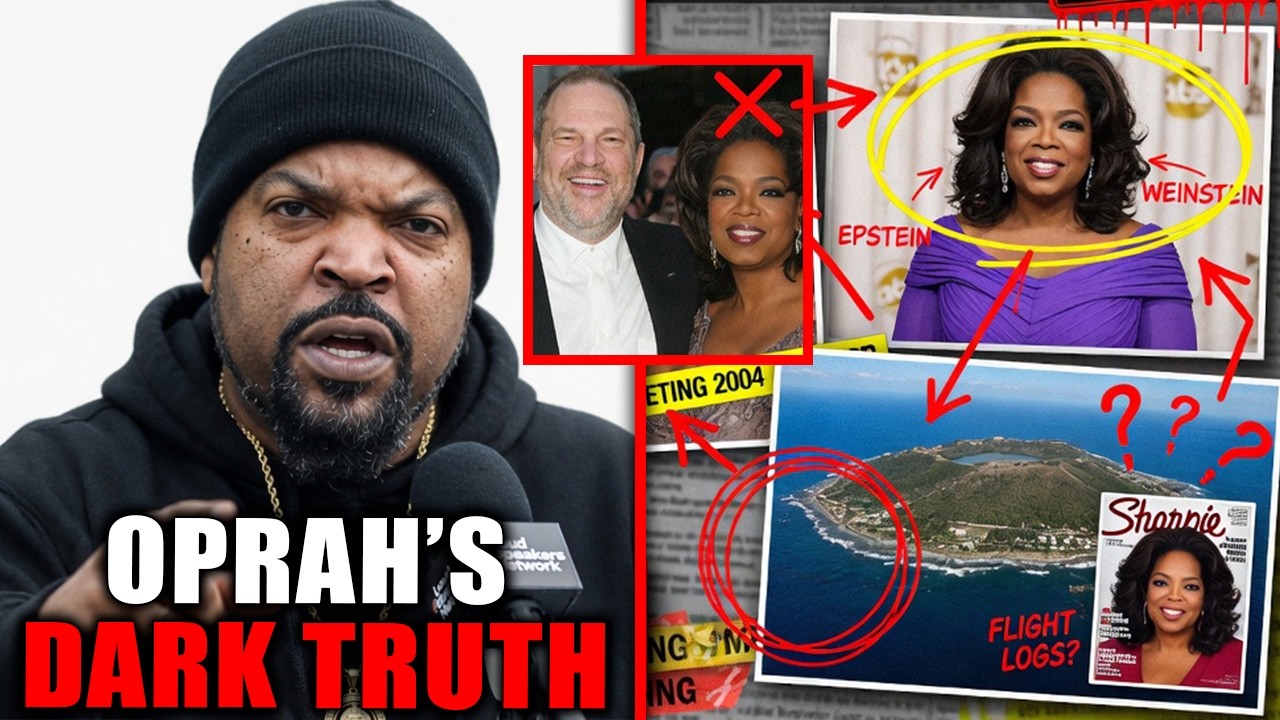
A major focus of the discussion is Oprah Winfrey, portrayed as a powerful cultural figure whose name appears across different contexts in the released materials and surrounding commentary.
One referenced detail involves correspondence linked to Sarah Ferguson and Epstein, where advice and messaging are allegedly coordinated ahead of a televised interview. The suggestion raised is that the platform may have been used in ways not fully visible to the public.
At the same time, questions are raised about what she knew, what she did not know, and why certain connections remain unclear.
Mo’Nique, Industry Fallout, and Allegations of Blackballing
The narrative also revisits claims from comedian and actress Mo’Nique, who describes being professionally sidelined after winning major acclaim for Precious.
She alleges that refusing demands from powerful industry figures led to her being labeled “difficult” and losing opportunities. She also references a deeply personal incident involving her mother being brought onto a public platform without her consent, describing it as a violation of trust.
The broader implication presented is that disagreement or refusal can carry lasting professional consequences in Hollywood.
Schools, Scandals, and Public Scrutiny
Another controversial thread involves a South African girls’ school connected to Oprah Winfrey, described as a major philanthropic project that later faced allegations of abuse involving staff members.
While investigations and legal outcomes are referenced, the discussion highlights lingering questions, including claims of missing students that remain unresolved in public conversation.
The narrative positions this alongside broader concerns about accountability and transparency.
Hollywood Circles and Repeated Connections
The discussion expands to include several high-profile figures and cases:
Harvey Weinstein is referenced in connection with widely reported abuse allegations and past social interactions with powerful figures.
Sean Combs is mentioned in relation to federal allegations and long-standing industry visibility.
R. Kelly is brought into the narrative through references to survivors and an interview that reportedly never aired.
John of God is described in connection with earlier media promotion before later criminal convictions.
These references are used to suggest a pattern of proximity between celebrated figures and later-disgraced individuals.
Gatekeeping, Refusal, and Consequences
The broader argument circles back to the idea of refusal—what happens when individuals resist industry expectations.
Stories involving artists like Mo’Nique and others are presented alongside commentary about careers being stalled or reputations being reframed after conflict with powerful institutions.
The message repeatedly returns to the idea that access and opportunity may be conditional.
The Files, the Redactions, and the Unanswered Past
Attention then turns again to the release of documents connected to Epstein. The materials are described as heavily redacted, with hundreds of pages blacked out and large sections unavailable.
Lawmakers from both parties are portrayed as expressing frustration over what they see as incomplete transparency, arguing that legal requirements may not have been fully met.
A resurfaced 1996 FBI complaint tied to survivor testimony is also referenced, raising questions about how early warnings were handled and what followed in the decades before Epstein’s arrest.
Prince Andrew and Documented Connections
The narrative then shifts to Prince Andrew, focusing on released emails and reported visits involving Epstein.
The discussion includes claims about travel, social interactions, and communications that became central to later legal and public scrutiny. It also references legal settlements and continuing unanswered questions surrounding those events.
The Final Turning Point
The story concludes with Epstein’s death while in custody, marking an abrupt end to legal proceedings but not to public debate.
What remains, according to the framing of these claims, is a growing list of unresolved questions—about access, influence, redactions in official records, and the extent of hidden connections across powerful institutions.
A Story Without Closure
At its core, the narrative leaves the audience with uncertainty rather than resolution. It circles back to the same central idea: that systems of power may decide not only who is seen and heard, but also what remains unknown.
And as more documents are expected to surface, the questions raised throughout continue to linger—unanswered, contested, and still unfolding.