A Warning About What the Public Hasn’t Seen
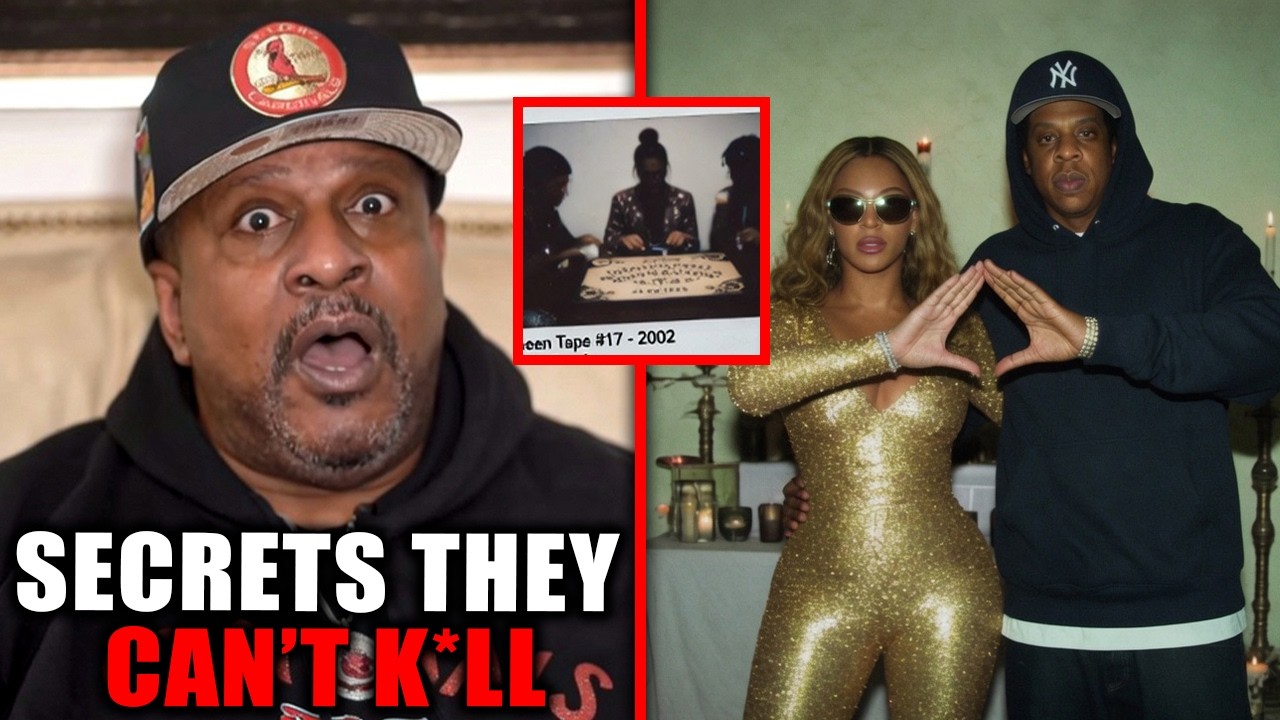
A new wave of discussion has emerged around claims of unreleased footage tied to the world of entertainment power and influence. At the center of it is former bodyguard Gene Deal, who has been speaking publicly about material he believes was left out of major media coverage.
His comments have reignited speculation about what remains unseen behind heavily edited productions and carefully managed public narratives.
The Claim of 130 Hours of Unreleased Footage
The conversation intensifies around allegations that more than 130 hours of unseen material exist, reportedly connected to activities involving Sean Combs, also widely known as Diddy.
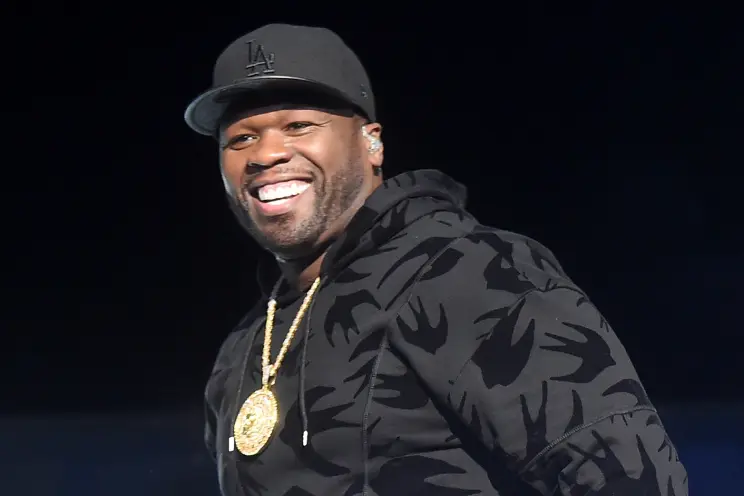
According to these claims, the released documentary version presented to the public represents only a small portion of recorded material. It is further alleged that entertainer 50 Cent possesses access to some of this footage and could potentially release it outside traditional studio control.
The idea fueling much of the speculation is that this unreleased material could significantly shift public perception depending on what it contains.
Beyoncé, Jay-Z, and the Weight of Allegations
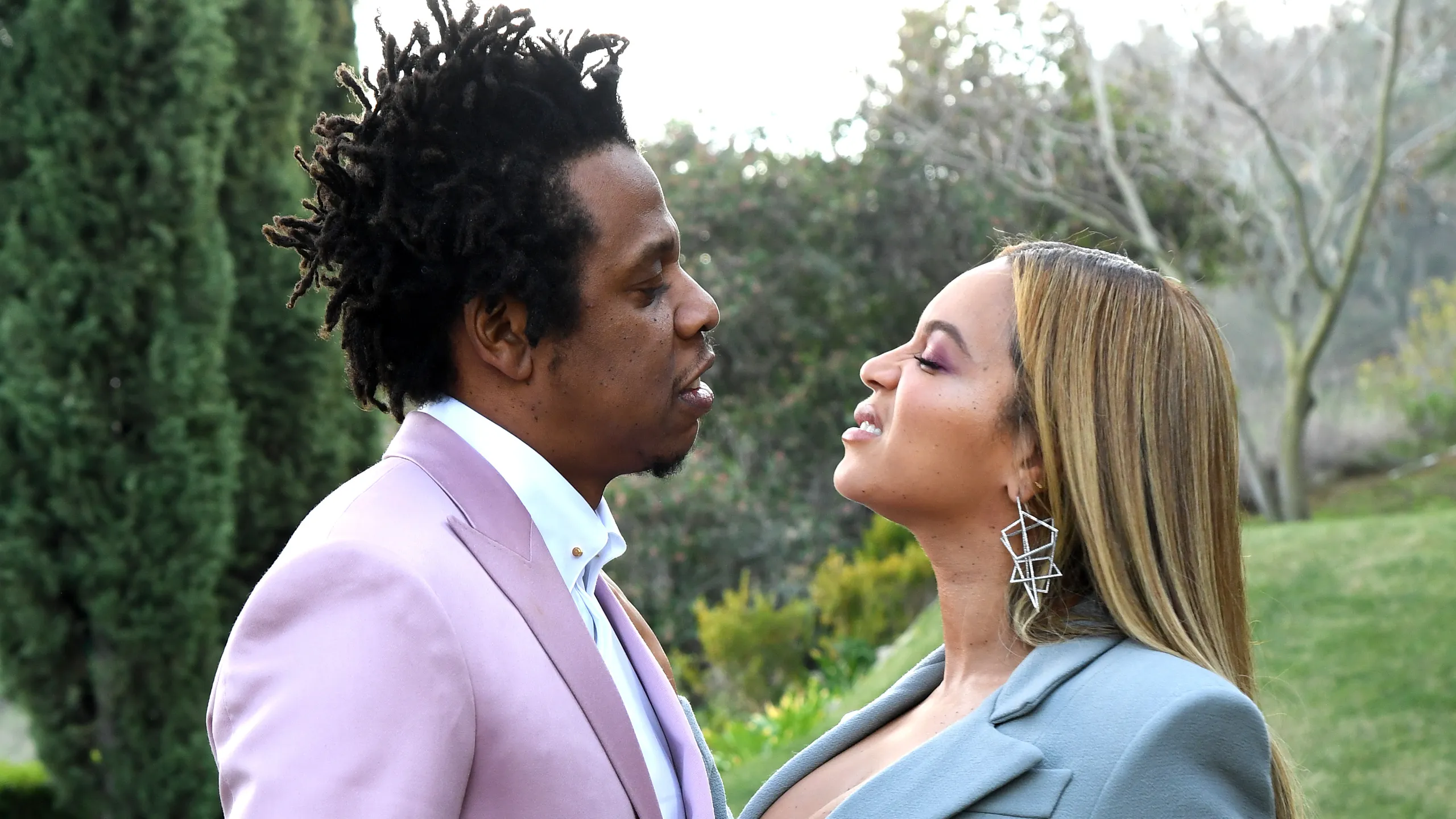
One of the most controversial parts of the discussion involves claims made by Gene Deal suggesting that footage may include appearances or situations involving Beyoncé and Jay-Z.
These claims center on the idea that their carefully built public image could be impacted if such material were ever made public. No verified details of the alleged footage have been released, but the suggestion alone has fueled intense online debate and speculation.
The couple’s long-standing influence in music, business, and entertainment has only amplified attention around these allegations.
The Controlled Narrative Versus Unreleased Material
The publicly released documentary content is described as heavily edited, shaped through legal review, production decisions, and network oversight.
By contrast, the alleged unreleased footage is framed by those discussing it as unfiltered and unapproved, raising questions about what may have been omitted and why.
A key point repeatedly emphasized is the difference between what has been shown through official channels and what allegedly remains in private hands.
Legal Pressure, Lawsuits, and Public Accusations
Parallel to these claims are ongoing legal disputes involving Sean Combs, including civil allegations and counterclaims. One case mentioned involves a Jane Doe accusing both him and Jay-Z of misconduct tied to an incident in 2000 when she was a minor.
Jay-Z has denied the allegations and responded legally, calling them defamatory. The case was later dismissed with prejudice, preventing it from being refiled.
Still, the surrounding legal activity has contributed to continued public attention and speculation.
Silence and Interpretation in the Public Eye
A recurring theme in the discussion is silence—particularly the absence of public demands for release of the alleged footage by those named in the speculation.
This silence is interpreted in different ways by different audiences, with some viewing it as legal strategy and others as something more ambiguous. The lack of direct public engagement has allowed theories and interpretations to continue circulating.
Broader Entertainment Industry Connections
The conversation expands beyond a single case or individual, drawing in a wider network of entertainment figures and historical allegations.
References are made to figures such as Harvey Weinstein, R. Kelly, and John of God, all of whom have been associated with separate criminal or legal controversies.
Also mentioned is a long history of public appearances and collaborations involving Sean Combs, Beyoncé, and Jay-Z, which critics and commentators often revisit when analyzing past industry culture.
Epstein Files and Government Redactions
The discussion also references large-scale document releases tied to the estate of Jeffrey Epstein.
These files are described as partially redacted, with claims that hundreds of pages remain obscured. The presence of high-profile names in various logs and reports has fueled ongoing debate about transparency and accountability in the handling of those records.
Alongside legal and documentary claims, older media moments continue to resurface online and add to the broader narrative.
Clips involving early interviews of Rihanna with Tyra Banks and references to her early career under Jay-Z’s mentorship are repeatedly discussed in relation to power dynamics in the industry.
Other historical topics, including conspiracy theories surrounding Aaliyah’s death and speculation about industry influence, are also frequently revived in online conversations, despite lacking verified evidence.
Even entertainment appearances, such as televised interviews involving Ellen DeGeneres and Sean Combs, are revisited in hindsight with new interpretations layered onto old moments.
Public Reaction and Escalating Speculation
More recent unrelated events, including violent incidents connected to high-profile figures like Rihanna, have also been pulled into online speculation, further intensifying public debate and misinformation cycles.
As these events accumulate in online discussions, older footage, interviews, and legal filings are increasingly reinterpreted through a more skeptical lens.
The Central Question That Remains
At the heart of all these claims is a simple but unresolved question: what exists in the alleged unreleased footage, and will it ever be made public?
Until there is clarity, the conversation continues to be shaped by fragments—legal documents, interviews, old clips, and unverified claims circulating across media platforms.
A Story Still Unfinished
What remains is not a conclusion, but a collection of competing narratives—some grounded in legal filings, others in personal testimony, and many in speculation.
As the debate continues, the gap between what is publicly known and what is rumored to exist keeps the story alive, unresolved, and constantly evolving.