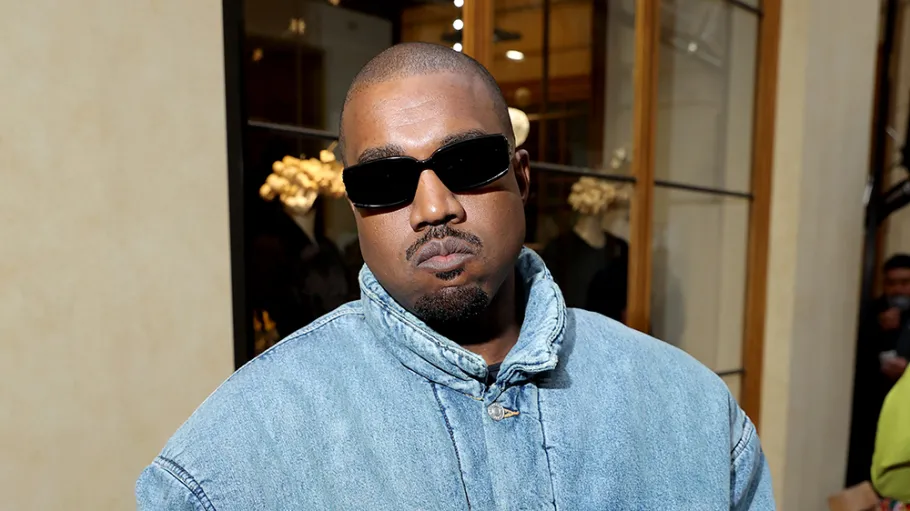
Kanye West’s Wyoming years were supposed to represent one of the most ambitious creative periods of his career. But a newly filed lawsuit is raising uncomfortable questions about what allegedly happened behind the scenes of one of his most unusual artistic projects.
A musician who worked on Ye’s 2019 biblical opera Nebuchadnezzar claims he was locked inside a Wyoming high school band room and pressured to complete music for the production under unacceptable working conditions. The allegations, which have not been established in court, offer a sharply different perspective on the creative environment surrounding one of Kanye’s most experimental ventures.
According to Rolling Stone, composer and performer Chase Taylor filed a lawsuit in North Carolina on 11 November 2026, detailing allegations connected to rehearsals for the opera at Cody High School in Wyoming.
Taylor claims he travelled from North Carolina to Wyoming after being recruited to work on the production, which was scheduled to premiere at the Hollywood Bowl in Los Angeles in November 2019. He alleges that the production was far from complete when he arrived, despite the limited rehearsal time remaining.
What followed, according to his lawsuit, was an increasingly difficult working environment in which Taylor and other musicians were allegedly expected to meet demanding creative deadlines without adequate support.
The most serious allegation concerns Taylor’s claim that he was confined inside a school band room and ordered to continue working until the music was finished.
The complaint alleges that promises of substantial compensation, production credits and future professional opportunities were used to encourage his compliance. Taylor also claims that he was expected to take on responsibilities beyond composing, including performing as a lead soloist and managing other musicians.
These claims remain allegations made by the plaintiff, rather than judicial findings about Kanye West or anyone associated with the production.

But the lawsuit also brings renewed attention to a fascinating period in Kanye’s career, when he was simultaneously exploring gospel music, theatrical performance, religious themes and unconventional approaches to recording.
By 2019, Kanye had already established himself as one of hip-hop’s most influential and unpredictable creative figures. Albums such as The College Dropout, Late Registration, My Beautiful Dark Twisted Fantasy and Yeezus had demonstrated his willingness to move between musical styles, challenge expectations and pursue ambitious artistic ideas.
His growing interest in religious music eventually became central to the Sunday Service performances and the gospel-focused album Jesus Is King, released in October 2019.
Nebuchadnezzar represented another extension of that direction.
The opera drew inspiration from the biblical figure King Nebuchadnezzar, whose story involves extraordinary power, pride, divine judgement and eventual transformation. It was a particularly unusual subject for an artist whose own career had frequently involved public discussions about fame, ambition and spirituality.
Rather than simply releasing another album, Kanye was experimenting with large-scale theatrical productions that combined music, religious storytelling and visual spectacle.
The Hollywood Bowl provided an appropriately ambitious setting for such a project. Known for hosting major orchestral performances and international musical stars, the venue offered an opportunity to present Kanye’s evolving creative interests on a grand scale.
Yet Taylor’s lawsuit suggests that the preparation for this ambitious production may have involved serious problems for some of the musicians recruited to participate.
According to the complaint, approximately 150 performers were involved, and Taylor alleges that adequate food and water were not provided. He further claims that some musicians slept on the floor while the team worked towards the performance deadline.
Taylor says he raised concerns about these conditions and requested that musicians receive appropriate rest, sufficient refreshments and freedom to leave the rehearsal space.
He alleges that those requests were ignored.
The difference between an artist demanding excellence and workers being subjected to unacceptable conditions is central to the wider discussion raised by the lawsuit. Major productions routinely involve tight deadlines, complicated rehearsals and difficult logistical decisions, but those pressures do not remove the need to protect the people responsible for bringing a creative vision to life.
That is particularly relevant when the individuals involved are freelance musicians who may have travelled significant distances for a short-term engagement.
Taylor’s account describes a situation in which he believed he had been recruited for a professional musical opportunity but instead encountered working conditions he considered abusive.
The lawsuit also alleges that promises of future employment and financial rewards played a role in the situation. Whether those promises were made as described, and what legal obligations they may have created, are questions that would require examination of the evidence.
Another notable aspect of the case is its timing.
The events allegedly occurred in 2019, but the lawsuit was filed approximately seven years later. According to the report, Taylor entered an agreement with Kanye’s team in 2020 concerning the suspension of legal deadlines.
Such arrangements can affect when legal claims may be brought, although the precise effect in this case would depend on the agreement and the applicable law.
The passage of time does not establish whether the allegations are true or false. It does, however, mean that any legal proceedings may involve examining communications, contractual arrangements and witness recollections dating back several years.
But the dispute surrounding Nebuchadnezzar is not limited to Taylor’s allegations. Another musician, Willie Alexander, has filed a separate lawsuit concerning the production, alleging that he was also recruited under misleading circumstances and expected to help create music within an extremely limited timeframe.
Alexander’s case remains pending, with a settlement conference scheduled for January 2027. His allegations have not been established in court.
There has also been a significant financial development involving other workers from the same production. Ye previously agreed to a $1.35 million settlement in a class-action lawsuit involving hundreds of performers and workers. The settlement received final court approval in July 2025, with more than 600 people receiving payments.
The settlement does not establish the truth of Taylor’s separate allegations, but it demonstrates that the production has already generated substantial legal disputes over working arrangements.
Perhaps the most surprising element of Taylor’s new complaint is that it extends beyond the opera itself. He alleges that musical contributions he created were subsequently incorporated into commercially released recordings, including Travis Scott’s “Telekinesis” and material from Kanye and Ty Dolla $ign’s Vultures 2.
Taylor is seeking recognition of his claimed copyright interests, financial compensation and a share of profits from allegedly unauthorised uses of his work. Those ownership claims remain contested allegations rather than established facts.
That introduces another dimension to the case: the question of who deserves credit and compensation when a high-profile artist’s creative projects depend on numerous musicians, composers and arrangers.
In an industry where production credits, publishing rights and royalties can generate income for decades, the difference between being recognised as a contributor and being excluded from ownership can be financially significant.
For Kanye, the case represents another legal challenge connected to a period that produced some of his most unconventional artistic work.
The broader issue is not whether an ambitious artist should push creative boundaries. It is whether those ambitions can be pursued while respecting the rights and working conditions of the people helping to realise them.
Taylor’s claims will require legal examination, and Ye’s representatives had not provided a substantive public response when the initial reports appeared. Until the evidence is tested, the allegations must remain separate from established findings.
Still, the emerging legal history of Nebuchadnezzar raises a question that reaches beyond Kanye West himself. When a celebrated artist creates something ambitious, how much attention should be paid to the musicians working behind the scenes? And if Taylor’s allegations are ultimately proven, could they fundamentally change how fans remember one of Kanye’s most unusual creative eras?